



Last updated: June 2026
This article cites peer-reviewed research published in indexed medical and scientific journals with parenthetical numeric tags. All citations are linked at the end.
Key Takeaways
|
Is copper good for health and wellness?
Yes, with important specificity about what the peer-reviewed evidence supports. Copper is an essential trace mineral required for collagen production, immune function, antioxidant defense, and iron absorption. It also exhibits well-documented antimicrobial, antiviral, and antifungal properties. Modern wellness products, from copper-infused fabrics and supplements to topical formulations, are delivery mechanisms for these documented material properties.
This article explains the science behind copper's wellness benefits, what the research supports and where it is still developing, and how copper-infused products fit into a contemporary wellness practice.
Copper’s Wellness History: From Ancient Medicine to Modern Science
Copper's use in wound healing and infection treatment has been documented since approximately 2400 BC, across ancient Egyptian, Greek, Roman, Aztec, and Persian medicine, independently and consistently. Modern biochemistry has since established the mechanisms behind what those practitioners observed empirically.
For the full historical story with primary sources: Copper and Skin: The Ancient Remedy That Modern Science Keeps Confirming →
The Science Behind Copper’s Wellness Properties
Copper's wellness benefits are not a single mechanism; they are several distinct biological processes, each with its own evidence base. Here is what the peer-reviewed research supports.
Copper is a vital trace mineral that our bodies need in small amounts to function. It plays an essential role in the production of red blood cells, supports our immune system, and contributes to the production of collagen, the protein that keeps our skin elastic and youthful. Copper's role in collagen production is well-documented, as it is a cofactor for lysyl oxidase, an enzyme involved in the cross-linking of collagen fibers (1). It is also a key player in antioxidant defense, which helps protect cells from oxidative stress that can lead to aging (2).
Copper's health benefits are not limited to internal biochemistry. Research on copper-infused textiles confirms that sustained skin contact with copper-bearing materials can deliver these properties in a passive, continuous manner, without requiring ingestion or topical application (3).
Copper-Infused Products: How They Work and What the Evidence Shows
Copper-infused wellness products, such as fabrics, supplements, topical formulations, work through different mechanisms depending on their form. Copper in supplements enters through digestion and systemic circulation. Copper in topical products and fabrics interacts with skin through transdermal contact. The research on each application varies in maturity; the sections below describe what is documented.
Copper and Anti-Aging: The Collagen Connection
Copper plays a documented role in the biological processes that maintain skin firmness and elasticity. As skin ages, collagen and elastin production decline, and copper, as a required cofactor for lysyl oxidase, is part of the mechanism that maintains structural collagen quality (1).
Research published in Pharmaceutics highlights copper's role in wound healing and collagen production, which are critical for skin health and the prevention of wrinkles (4). Copper peptides - small copper-bound protein fragments - are now a well-studied active ingredient in anti-aging skincare formulations for exactly this reason.
Copper and Inflammation: What the Research Shows
Copper's relationship with inflammation is specific and documented.
Copper is involved in all three active phases of wound healing - inflammation, proliferation, and remodeling - according to a 2024 review published in Theranostics (5). Its role in the inflammatory phase is partly through modulation of pro-inflammatory cytokines, which helps regulate the transition from the inflammatory phase toward proliferation and repair rather than sustained inflammation.
Beyond wound healing, copper's anti-inflammatory mechanism has been studied in the context of chronic inflammatory conditions. A study published in PLoS One in 2023 examined copper-infused fabrics specifically and found that copper can reduce insulin resistance mediated by inflammatory cytokines in muscle cells, evidence that copper's inflammatory cytokine-modulating activity extends beyond acute wound contexts (6).
Copper, Free Radicals, & Antioxidant Defense
Copper is a component of superoxide dismutase (SOD), one of the body's primary antioxidant enzymes, which neutralizes free radicals that accumulate from UV exposure, pollution, and metabolic activity (7). It also plays a role in iron absorption and immune system function, supporting the activity of cellular immunity (7). These mechanisms are relevant to skin wellness because oxidative stress is one of the primary drivers of visible skin aging, and copper's role in the body's antioxidant defense is a direct part of that picture.
Copper as a natural antibacterial and antiviral agent
Copper is one of the few metals scientifically confirmed to kill harmful microbes, including bacteria, fungi, and viruses, on contact. This has made it a key material in hospital surfaces, medical instruments, and infection control research.
A 2018 study published in the Journal of Hospital Infection found that copper-impregnated bed linens produced significant reductions in healthcare-associated C. difficile infections and combined infection metrics across six hospitals (8). It is worth noting that MDRO (multidrug-resistant organism) reductions in the same study did not reach statistical significance, likely because baseline MDRO rates were already very low in the study facilities (8). A separate review of copper surfaces across healthcare settings in Germany, South Africa, and the UK found reductions in bacterial load often 60-70% greater than control surfaces (9).
Copper also exhibits antiviral properties. Research published in Polymers confirmed that copper-ionized fabrics inactivated 99% of the SARS-CoV-2 virus within minutes (10). A review in Biometals found copper surfaces significantly more effective than other materials at inactivating the virus (9).
For additional applications including wound dressings and hospital surfaces, see 9 Unexpected Uses of Copper in Health and Wellness →
Copper and Acne: Promising Early Evidence
Copper's potential role in acne management follows from two of its documented properties: antimicrobial activity against Cutibacterium acnes (formerly called Propionibacterium acnes), the bacterium central to inflammatory acne, and its role in moderating the inflammatory response. A pilot study published in the Journal of Drugs in Dermatology found statistically significant improvement in mild-to-moderate acne after topical application of a copper compound across all ten participants, though as a small, uncontrolled pilot study, these results require confirmation in larger trials (11).
Two clinical trials specifically studying copper pillowcases and acne have been registered with ClinicalTrials.gov; full published results are not yet available. The mechanistic case is strong; the clinical trial evidence is developing.
Copper-infused silk and sleep wellness: where the evidence meets daily life
Wellness products deliver their benefits through sustained, consistent contact. This is as true for a daily supplement as it is for a sleep surface.
The human body spends roughly a third of its life asleep, and the skin spends those same hours in direct contact with whatever surface it rests on. The skin's circadian biology - its nighttime repair cycle, elevated permeability, and active collagen synthesis - makes the sleep surface a more active wellness variable than most people recognize.
Our article covers this in detail: Beauty Sleep Is Real: 5 Science-Backed Steps the Skin Does During Sleep→
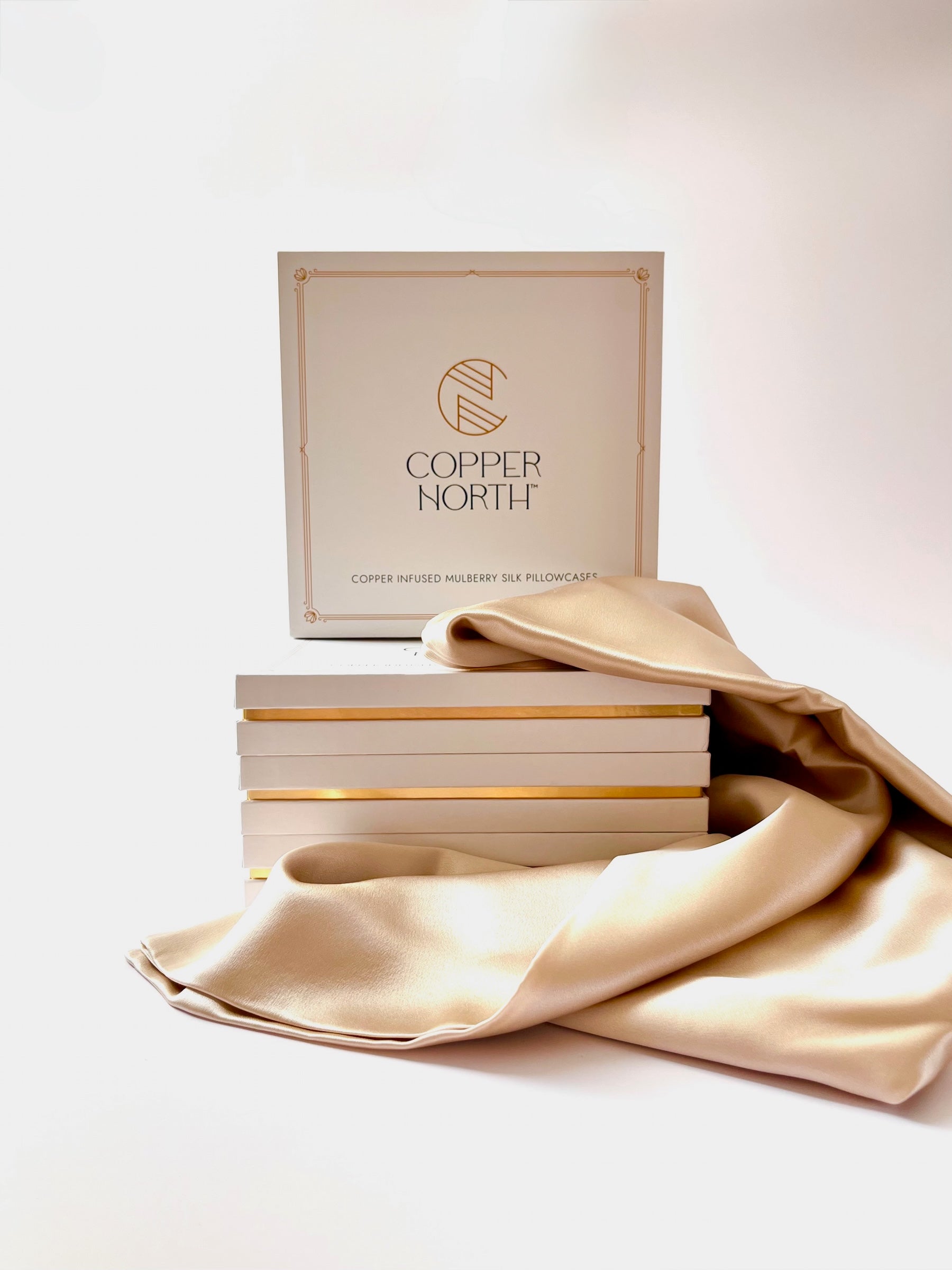
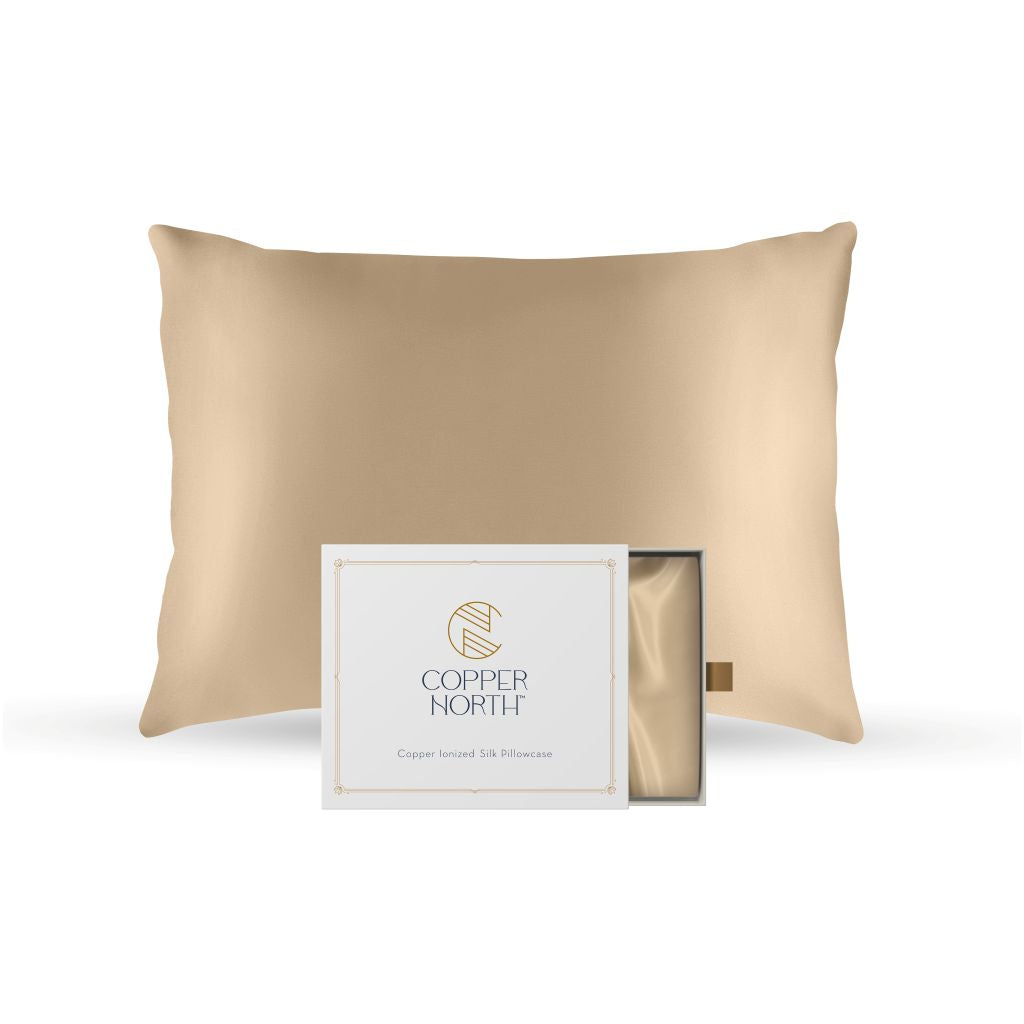
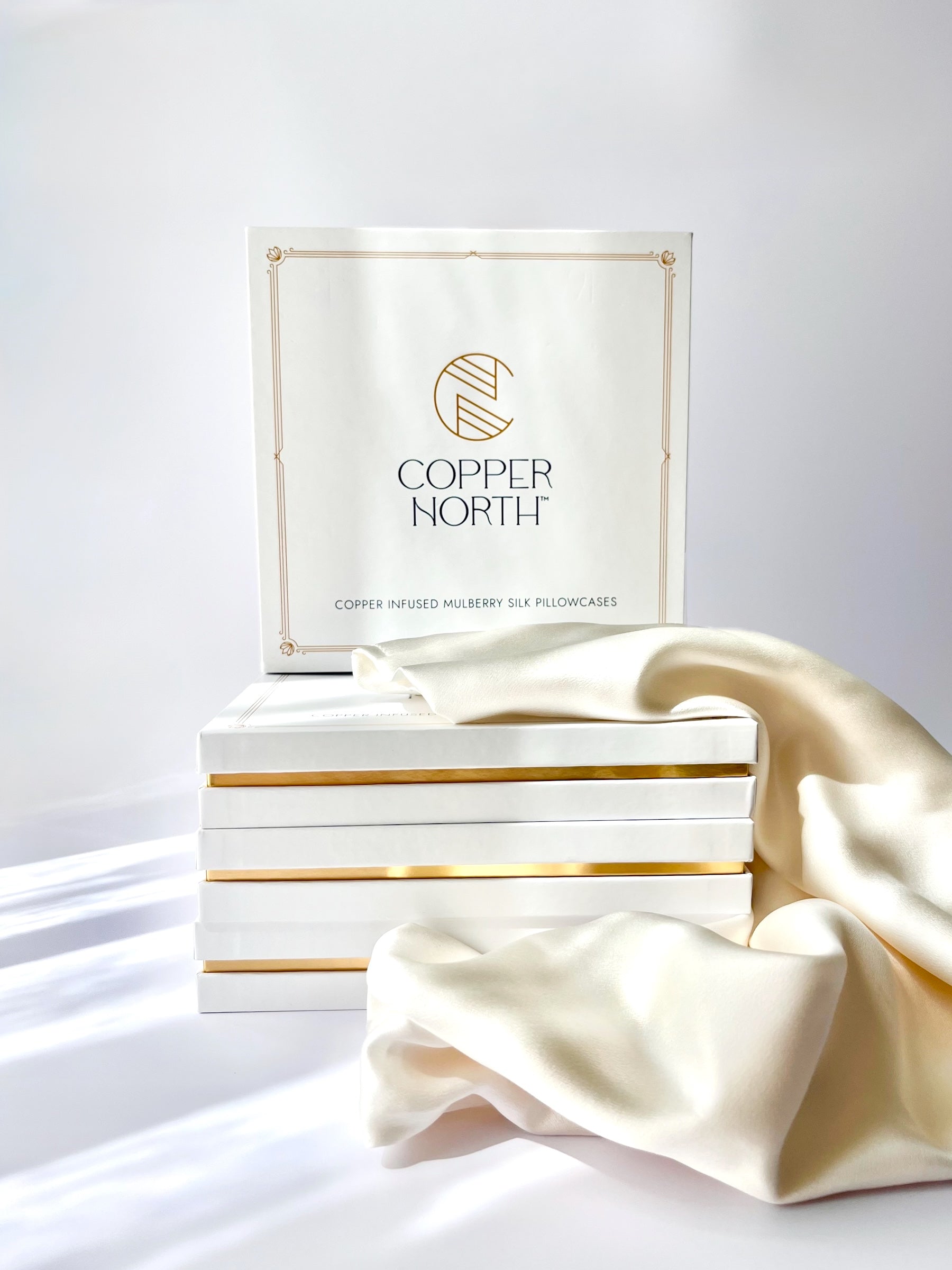
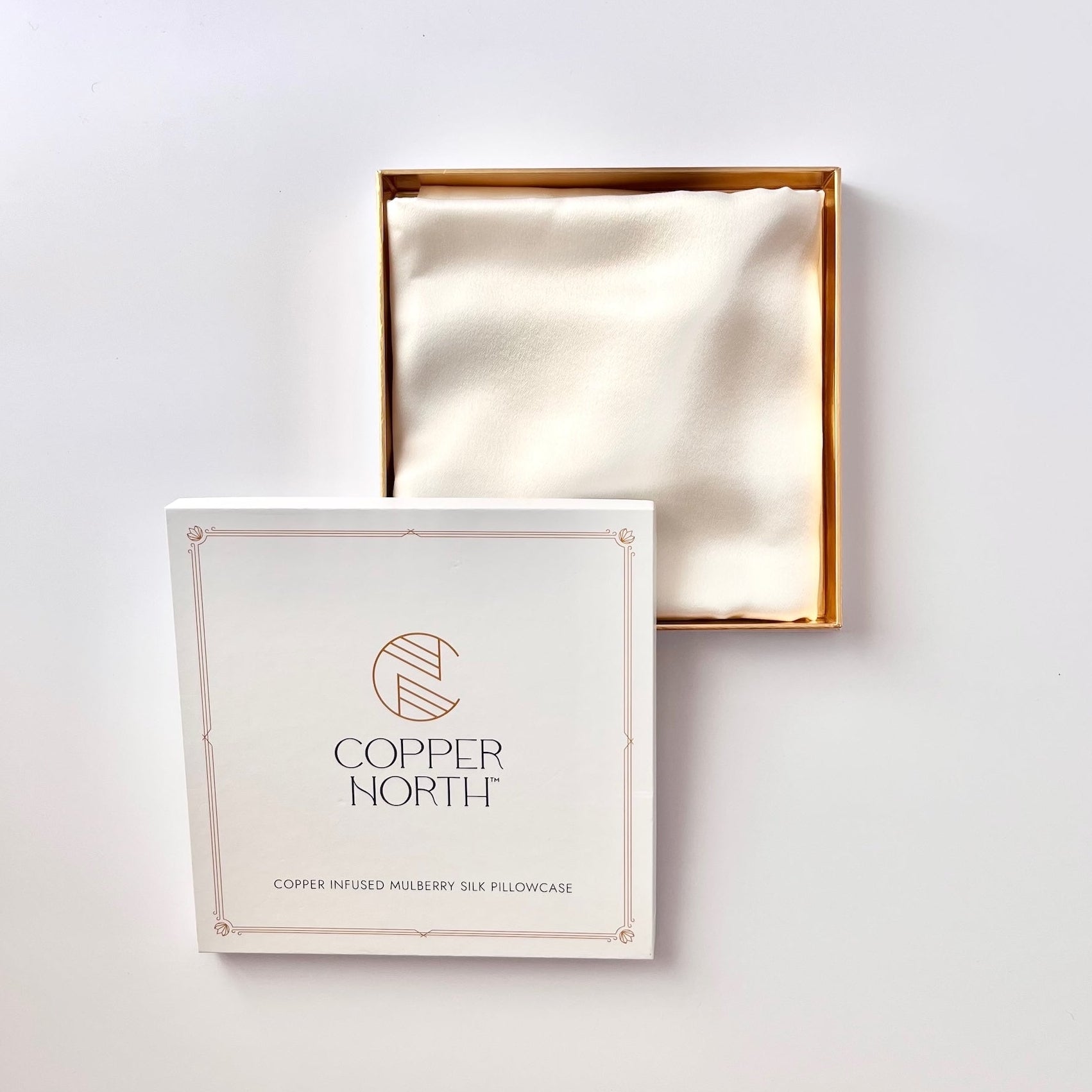
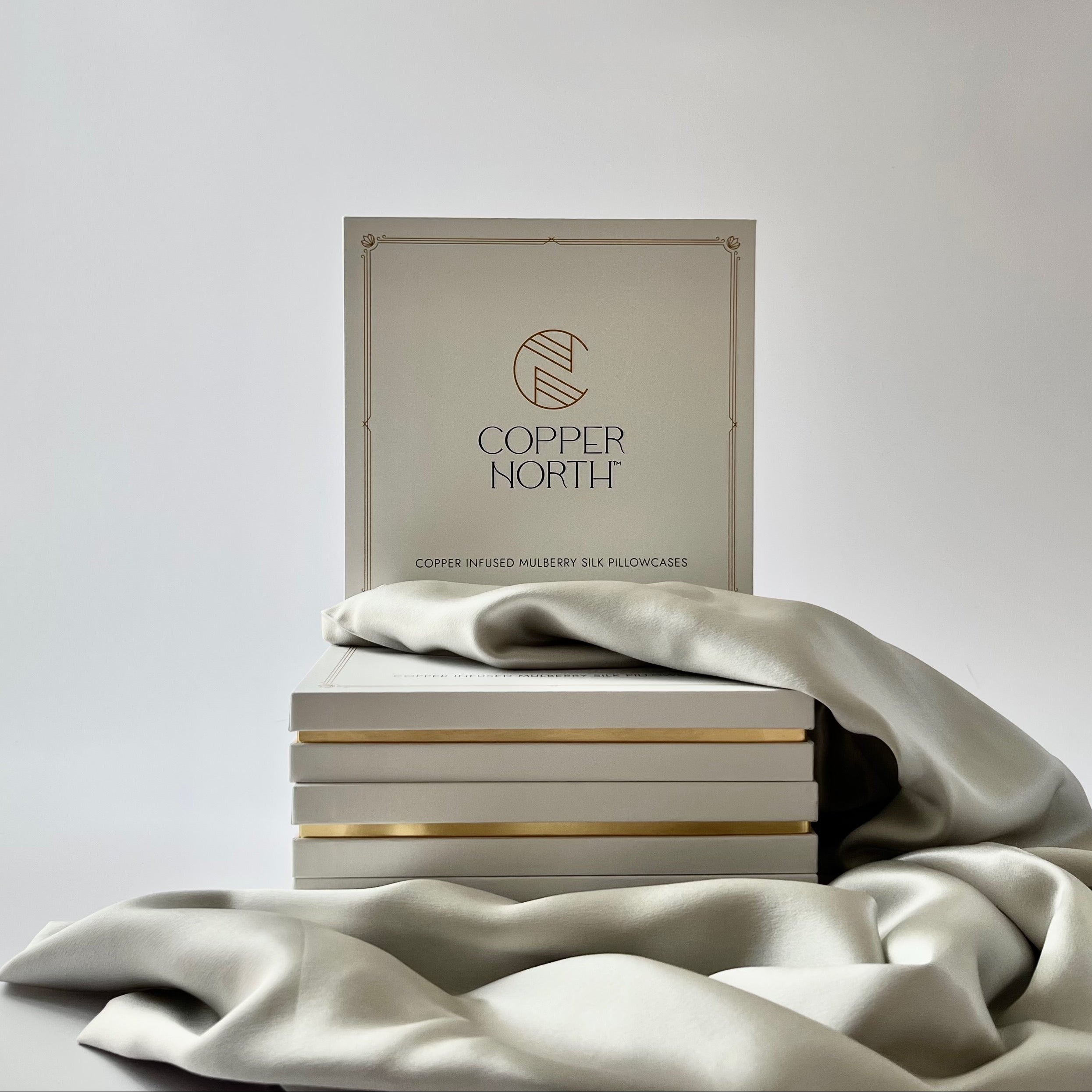
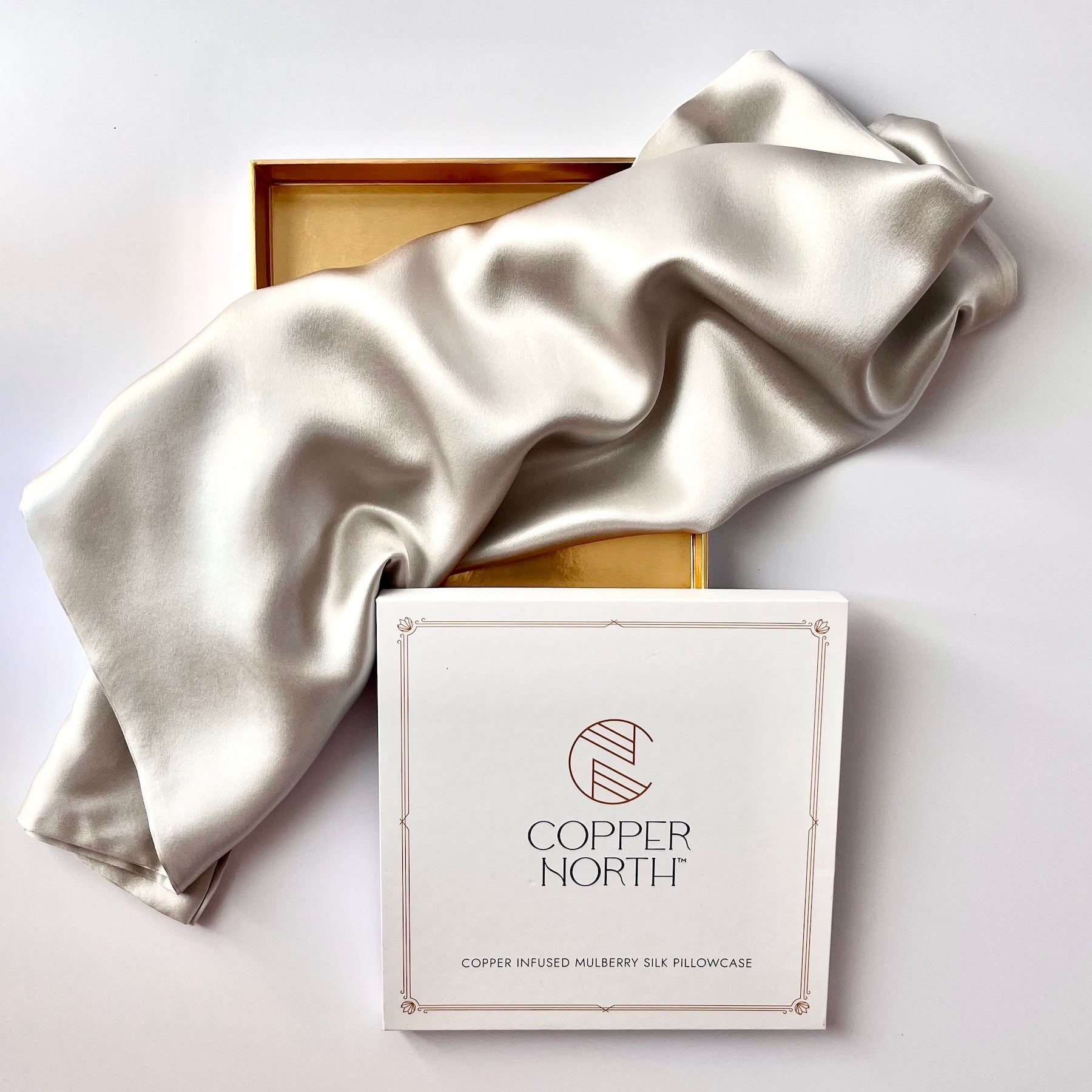
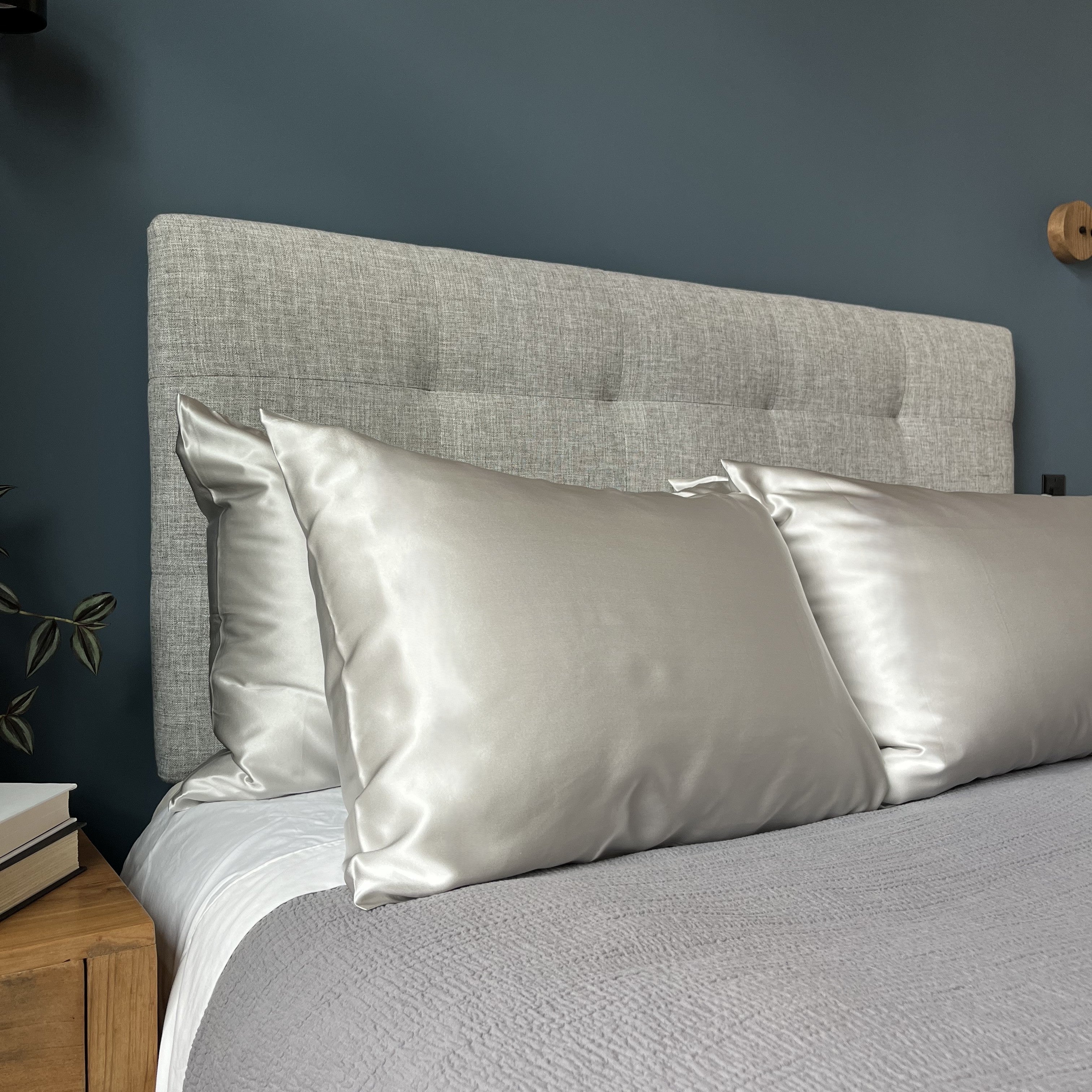
A copper-infused silk pillowcase brings three documented material properties into that environment simultaneously. Mulberry silk provides a low-friction, breathable surface that minimizes mechanical stress on skin and hair during sleep, supported by independent textile research (12). Copper is a material with well-documented antimicrobial properties and a documented role as a cofactor in the biological processes that maintain skin structure (1,8). Copper North pillowcases contain both.
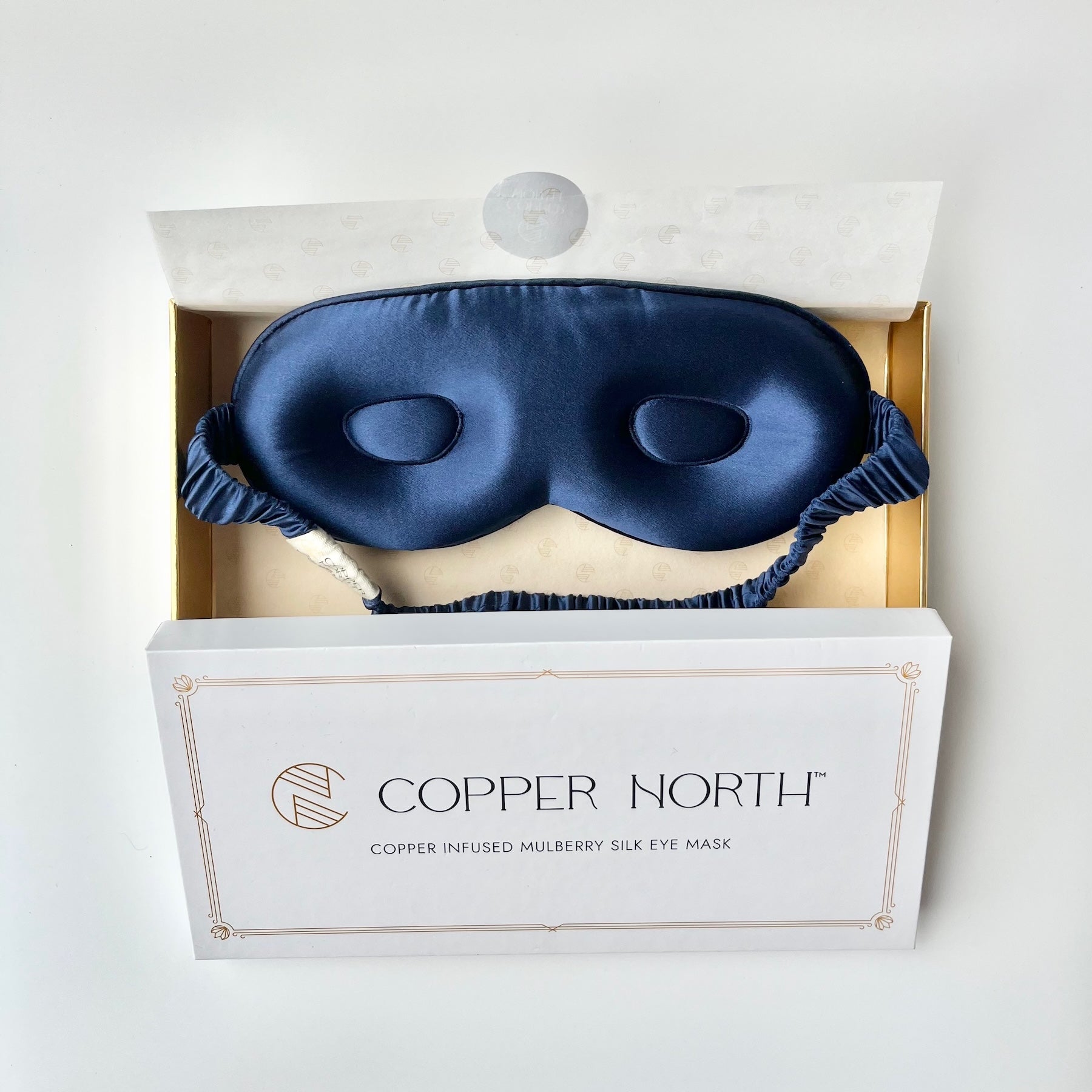
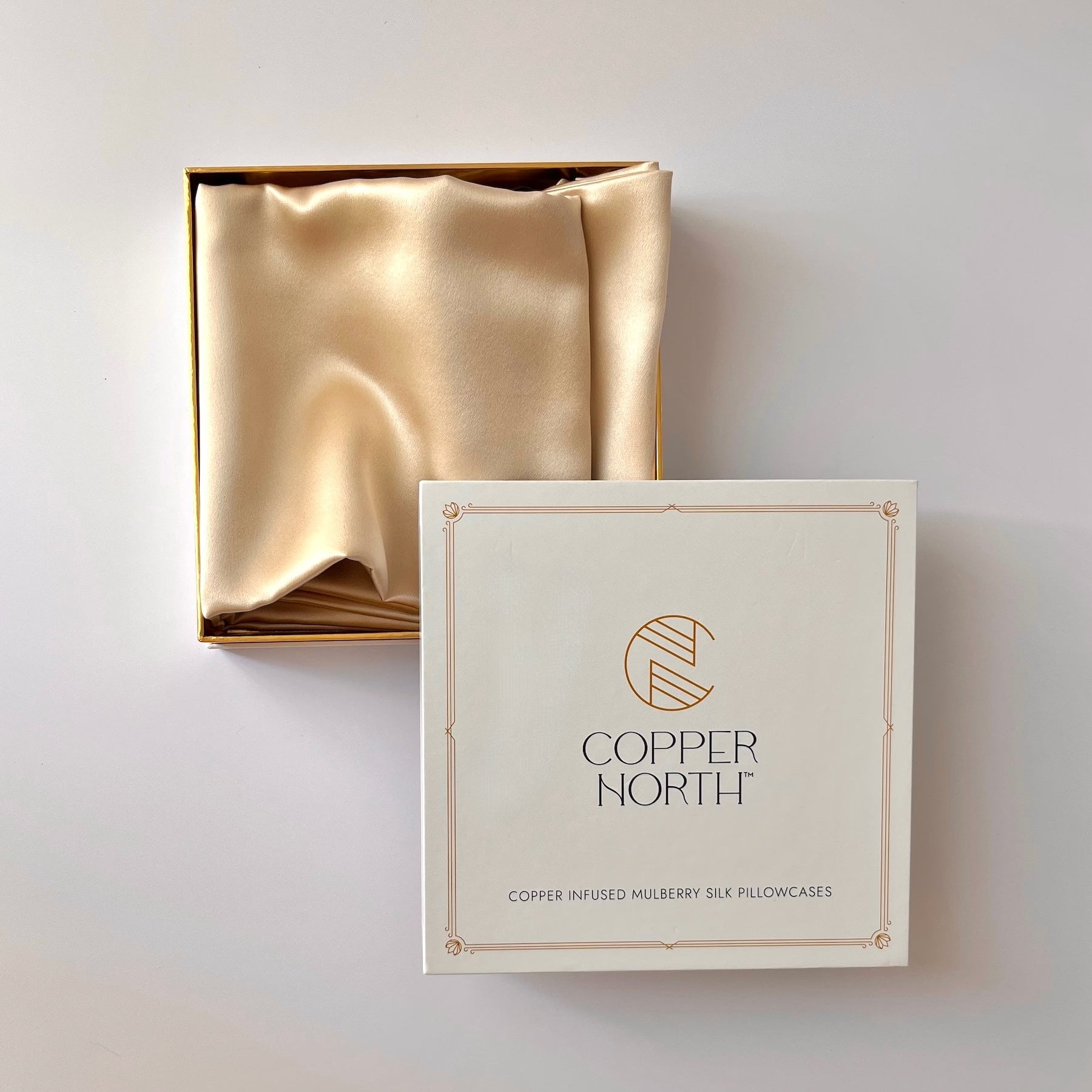
Copper North pillowcases are 100% mulberry silk at 22 momme, infused with copper ions via a bath immersion process that bonds copper to the fiber structure. Copper content is independently verified by European laboratory testing.
Whether a copper-infused silk pillowcase is the right addition to a wellness routine depends on what that routine is trying to address. For anyone prioritizing skin health, hair health, or sleep quality, and willing to let the science, rather than the marketing, guide the decision the evidence behind both silk and copper is specific, peer-reviewed, and independently conducted.
Shop Copper North copper-infused silk pillowcases →
What to Look for in Copper Wellness Products
As copper wellness products have grown in popularity, the quality and credibility of the evidence behind individual products varies considerably. A few questions are worth asking before any purchase:
What is the quality of the underlying material?
For copper-infused products, copper content is only part of the picture. A copper-infused polyester fabric and a copper-infused 100% mulberry silk fabric may carry similar copper concentrations but behave very differently against skin, because the base material determines friction, breathability, moisture management, and thermal regulation. The evidence behind copper's skin properties and the evidence behind silk's skin properties are independent. A product that combines both deserves to be evaluated on both.
What is the delivery mechanism?
Copper in supplements, topical products, and fabrics works through different pathways. Understanding which mechanism is relevant to your goal helps evaluate whether a specific product is the appropriate delivery form.
Is the evidence specific to this product type, or general?
Copper's antimicrobial properties in hospital surfaces are well-documented. That does not automatically validate every copper wellness product on the market. The strongest evidence is product-type specific.
For a structured overview of the peer-reviewed evidence across six copper mechanisms, see The 6 Scientific Ways Copper Supports Skin Health →
Copper Wellness and Individual Considerations
Copper's documented wellness properties are real, but copper wellness products are not a universal solution. Individual results vary. Anyone with a known copper allergy should avoid copper-infused products and consult a healthcare provider before using copper supplements. Anyone with a specific health concern that might benefit from copper, such as chronic wounds, inflammatory conditions, or immune function, should discuss this with a qualified clinician rather than relying solely on consumer products.
The wellness value of copper is most clearly supported in applications where the contact is sustained, the evidence is specific, and the product quality is independently verified.
Frequently Asked Questions
Is copper good for health and wellness?
Yes, with important specificity. Copper is an essential trace mineral with documented roles in collagen synthesis (1), antioxidant defense (2,7), immune function (7), and antimicrobial activity (8,9). These are not marketing claims; they are peer-reviewed biological mechanisms. The strength of the evidence varies by specific application; the collagen, antimicrobial, and wound healing evidence is the most thoroughly established. For more information, see 9 Unexpected Uses of Copper In Health and Wellness.
What are the benefits of copper for skin?
Copper's documented skin benefits include: activating lysyl oxidase for collagen cross-linking and skin firmness (1); antimicrobial activity relevant to acne-prone skin (8,11); anti-inflammatory effects through cytokine modulation (6); and antioxidant defense through superoxide dismutase activity (7). Clinical trials of copper-infused pillowcases have produced statistically significant improvements in skin appearance in double-blind, placebo-controlled studies (12). See our dedicated article on copper and skin health →.
What is a copper wellness product?
A copper wellness product is any consumer product that can deliver copper's documented material properties through sustained contact or ingestion. This can include copper-infused fabrics (pillowcases, socks, wound dressings), topical skincare formulations containing copper peptides, and dietary supplements. The quality of evidence varies significantly by product type and individual product. Independent third-party testing of copper content is the meaningful standard when evaluating any copper wellness product.
Does copper help with anti-aging?
Copper is a required cofactor for lysyl oxidase, the enzyme that cross-links and stabilizes collagen fibers, making it directly involved in one of the primary biological mechanisms of skin aging (1). Research published in the International Journal of Molecular Sciences supports the use of copper peptides in anti-aging skincare, demonstrating their ability to improve skin tone and stimulate collagen at a cellular level (13). Clinical trials of copper-infused pillowcases have also shown a statistically significant reduction in facial wrinkle depth over four to eight weeks (12). For more information, see our article Copper and Anti-Aging: How This Mineral Supports Skin Rejuvenation →.
Is copper an antioxidant?
Copper is a component of superoxide dismutase (SOD), one of the body's primary antioxidant enzymes, which neutralizes free radicals generated by UV exposure, pollution, and normal metabolic activity (7). In this sense, copper is not itself an antioxidant but is a required cofactor for the body's antioxidant enzyme activity. Adequate copper status supports the antioxidant defense system; deficiency impairs it.
What copper wellness products actually work?
The most evidence-backed copper wellness products are those where the mechanism is specific and the evidence is from controlled studies rather than brand claims. Copper wound dressings have achieved regulatory approval in the US, Europe, and Israel and have demonstrated significant clinical efficacy (14). Copper-infused socks have multiple controlled studies showing improvement in athlete's foot symptoms (15,16). Copper-infused pillowcases have double-blind, placebo-controlled clinical trial support for skin appearance improvement (12). Copper dietary supplements are appropriate for addressing copper deficiency under medical guidance. For all copper wellness products, independent verification of copper content is the standard that separates credible products from marketing.
Does a copper-infused pillowcase work for skin health?
The clinical evidence is specific and peer-reviewed. A review of multiple double-blind, placebo-controlled trials published in Current Chemical Biology found statistically significant improvements in skin appearance for participants sleeping on copper-ionized pillowcases versus controls (12). The mechanism is consistent with copper's documented roles in collagen synthesis and antimicrobial activity. For the full evidence, see Does a Copper Pillowcase Actually Work? →
Explore more of The Science:
- Copper and Skin: The Ancient Remedy That Modern Science Keeps Confirming
- The 6 Scientific Ways Copper Supports Skin Health
- 9 Unexpected Uses of Copper in Health and Wellness
- Does a Copper Pillowcase Actually Work? Here's What the Science Says
- Beauty Sleep Is Real: 5 Science-Backed Steps the Skin Does During Sleep
REFERENCES
- Rucker, R.B., et al. (1998). “Copper, lysyl oxidase, and extracellular matrix protein cross-linking.” The American Journal of Clinical Nutrition. 67(5 Suppl):996S-1002S. Link
- National Institutes of Health Office of Dietary Supplements (Updated: 2022, Accessed Dec 2024). “Copper: Factsheet for Health Professionals.” Link
- Arendsen, L. P., et al. (2019). “The Use of Copper as an Antimicrobial Agent in Health Care, Including Obstetrics and Gynecology.” Clinical Microbiology Reviews. 32(4):e00125-18. Link
- Sandoval, C., et al. (2022). “Effectiveness of Copper Nanoparticles in Wound Healing Process Using In Vivo and In Vitro Studies: A Systematic Review.” Pharmaceutics, 14(9):1838. Link
- Zhang, Z. et al. (2024) "Copper incorporated biomaterial-based technologies for multifunctional wound repair." Theranostics. 14(2): 547–570. Link
- Zangiabadi, S., et al. (2023). “Copper infused fabric attenuates inflammation in macrophages.” PLoS One. 18(9):e0287741. Link
- Tapiero, H., et al. (2019, final edit 2003). “Trace elements in human physiology and pathology. Copper.” Biomedicine & Pharmacotherapy. 57(9):386–398. Link
- Butler, J. P. (2018). “Effect of copper-impregnated composite bed linens and patient gowns on healthcare-associated infection rates in six hospitals.” Journal of Hospital Infection. 100(3):e130-e134. Link
- Grass, G., et al. (2010). “Metallic Copper as an Antimicrobial Surface.” Applied and Environmental Microbiology. 77(5):1541–1547. Link
- Glass, A., et al. (2022). “Efficacy of copper blend coatings in reducing SARS-CoV-2 contamination.” Biometals. 36(1):217–225. Link
- Stephens, T.J., et al. (2015). "Pilot Study of Topical Copper Chlorophyllin Complex in Subjects With Facial Acne and Large Pores." Journal of Drugs in Dermatology. 14(6):589-92. Link
- Borkow, G. (2014). "Using Copper to Improve the Well-Being of the Skin." Current Chemical Biology. 8(2):89–102. Link
- Pickart, L, et al. (2018). "Regenerative and Protective Actions of the GHK-Cu Peptide in the Light of the New Gene Data." International Journal of Molecular Sciences. 19(7):1987. Link
- Gorel O, et al. (2024). “Enhanced healing of wounds that responded poorly to silver dressing by copper wound dressings: Prospective single arm treatment study.” Health Science Reports. 7:e1816. Link
- Zatcoff, R., et al. (2008). "Treatment of tinea pedis with socks containing copper-oxide impregnated fibers." The Foot. 18(3):136-141. Link
-
Gargiulo, M.E., et al. (2012). "Analysis of the Effect of Wearing Copper Oxide Impregnated Socks on tinea pedis Based on 'Before and After' Pictures – A Statistical Follow-up Tool." The Open Biology Journal. 5:17. Link




Share: