



Last updated: September 2026
Key Takeaways
- Teenagers need 8 to 10 hours of sleep per night, but nearly 80% of American teens aren't getting it, and the sleep environment matters
- The best teen bedding balances style flexibility, durability, and skin health, not just aesthetics
- Cotton, silk, and bamboo are the most practical natural fiber choices for teen bedrooms; each has different strengths for different uses (e.g. cotton for sheets, silk for pillowcase)
- Pillowcases specifically affect acne-prone skin, as what touches a teen's face overnight is part of their skincare routine, whether they know it or not
- Copper-infused silk pillowcases can play a part in skincare; copper has documented activity against acne-causing bacteria and the inflammation that drives breakouts
- A bedroom that signals rest and that is cool, dark, and free of screens helps teens fall asleep faster and sleep better
The Short Answer: What Is the Best Bedding for Teenagers?
The best bedding for teenagers is natural fiber-based, easy to launder, flexible enough to grow with their evolving style, and thoughtful about skin health, because teens spend roughly a third of their lives in bed, and what they sleep on affects more than just comfort.
For most teens, that means a cotton or bamboo base for sheets and duvet covers, and where possible a silk pillowcase for the skin and hair benefits that other fabrics are simply unable to replicate. For acne-prone teens in particular, the pillowcase is the most important bedding decision in the room.
Why Teen Sleep Matters More Than Most People Realize
Before the bedding, the context matters: teenagers need more sleep than adults, between 8 and 10 hours of sleep per night, according to the American Academy of Sleep Medicine (1). Despite that, nearly 80% of American teens are not getting even 8 hours of sleep a night (2), according to a comprehensive 10-year study by the CDC.
The consequences go beyond tired mornings. "Adolescents who get enough sleep are less impulsive. They often regulate their emotions well and participate in healthier relationships," notes Dr. Lauren Goldman, sleep medicine physician of the Cleveland Clinic (3). Research published in Sleep has also linked chronic sleep deprivation in teens to increased risk of depression, reduced academic performance, and higher rates of impaired judgement (4).
Sleep expert Kyla Wahlstrom has shared that the best sleep environment is a cool, dark, quiet room, and that bedroom temperature specifically can affect how quickly teens fall asleep and whether they stay asleep through the night (5).
Bedding is part of that environment. It cannot fix a teen's sleep schedule, but it can make the bed itself more comfortable, more inviting, and better for their skin.
What Bedding Fabric Is Best for Teenagers?
Cotton: The Practical Base Layer
Cotton is breathable, soft, and machine-washable, making it the most widely used natural bedding fiber for good reason. Its moisture absorption and breathability are well documented in textile research (6), translating to a drier, more comfortable sleep surface. When it comes to the weave - or the way cotton fiber is constructed into a cotton sheet - percale and sateen are popular options. Percale has a crisp, cool feel; sateen offers a smoother, slightly warmer finish. Both hold up to teen-level laundering demands.
One limitation, though, is that cotton pillowcases can absorb skin oils and bacteria readily (7,8) and conceivably redistribute them back to the face through the night. Cotton also draws moisture away from skin and hair (9), which can reduce the effectiveness of overnight skin and haircare products. For acne-prone skin, this can play an important role (more on this below).
Bamboo: A *Possible* Allergy-Friendly Option
Bamboo is often marketed as hypoallergenic, but that must be taken with a grain of salt. Most bamboo bedding is bamboo viscose or rayon, chemically processed into a semi-synthetic fiber. The Federal Trade Commission has repeatedly warned about misleading labeling on these products (10,11), at times calling it “far from eco-friendly” (10). The hypoallergenic and moisture-wicking properties commonly attributed to bamboo are properties of the plant that may not survive processing.
Bamboo lyocell, produced through a cleaner closed-loop process, can be an exception. It performs well on softness and moisture-wicking and is typically labeled as such. For teens who want a natural fiber alternative to cotton, bamboo lyocell can be a defensible choice.
Silk: For Skin and Hair
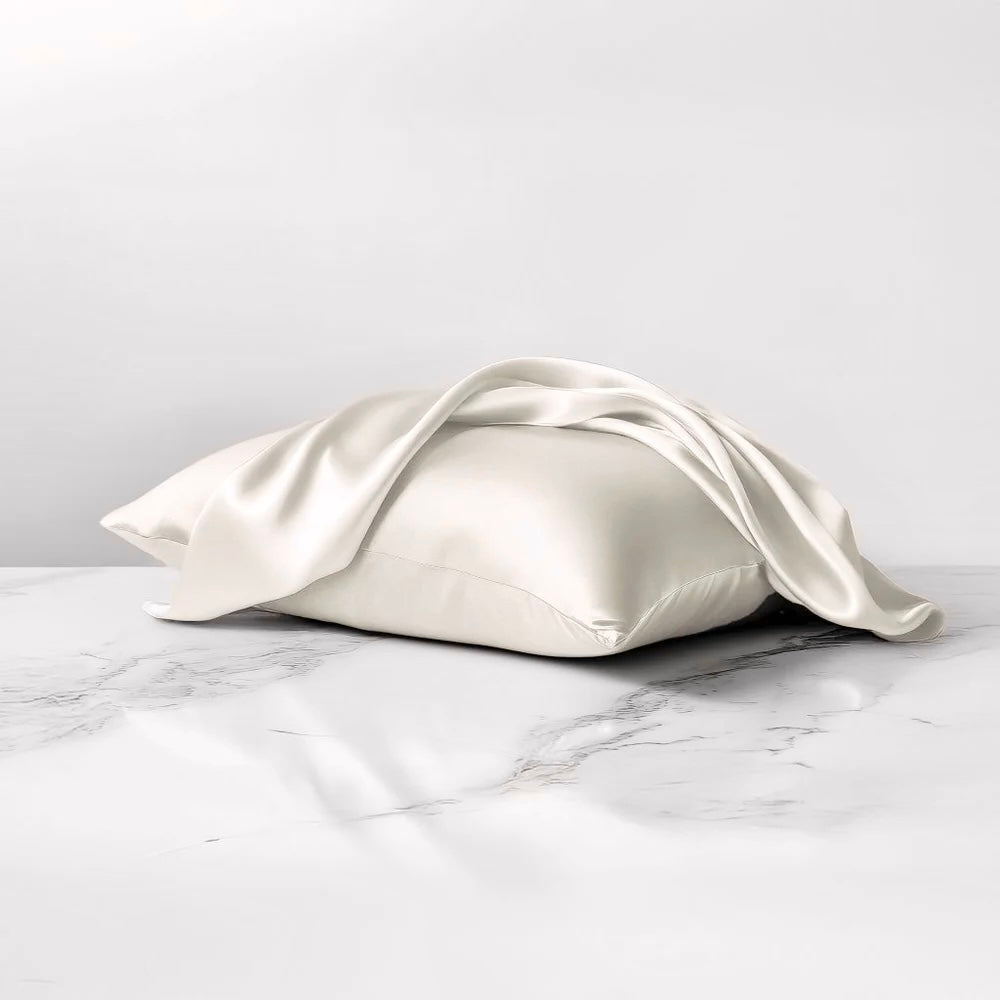
For the pillowcase specifically, silk outperforms cotton for skin and hair health. Silk has significantly lower surface friction than cotton (12), absorbs less moisture (13), and is therefore less likely to draw skincare products or hydration away from the face overnight. Laboratory testing found measurably less hair fiber breakage on silk than on cotton (14), which can be particularly relevant for curly or textured hair.
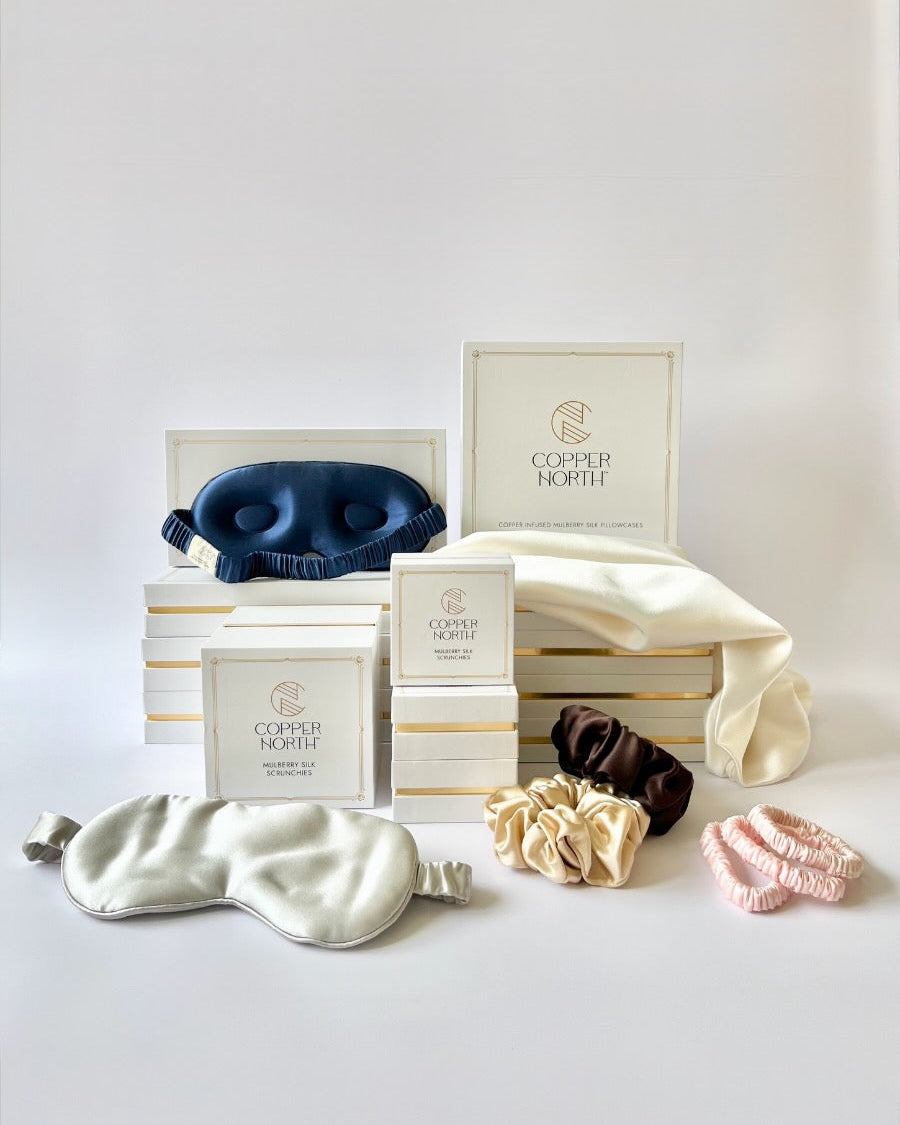
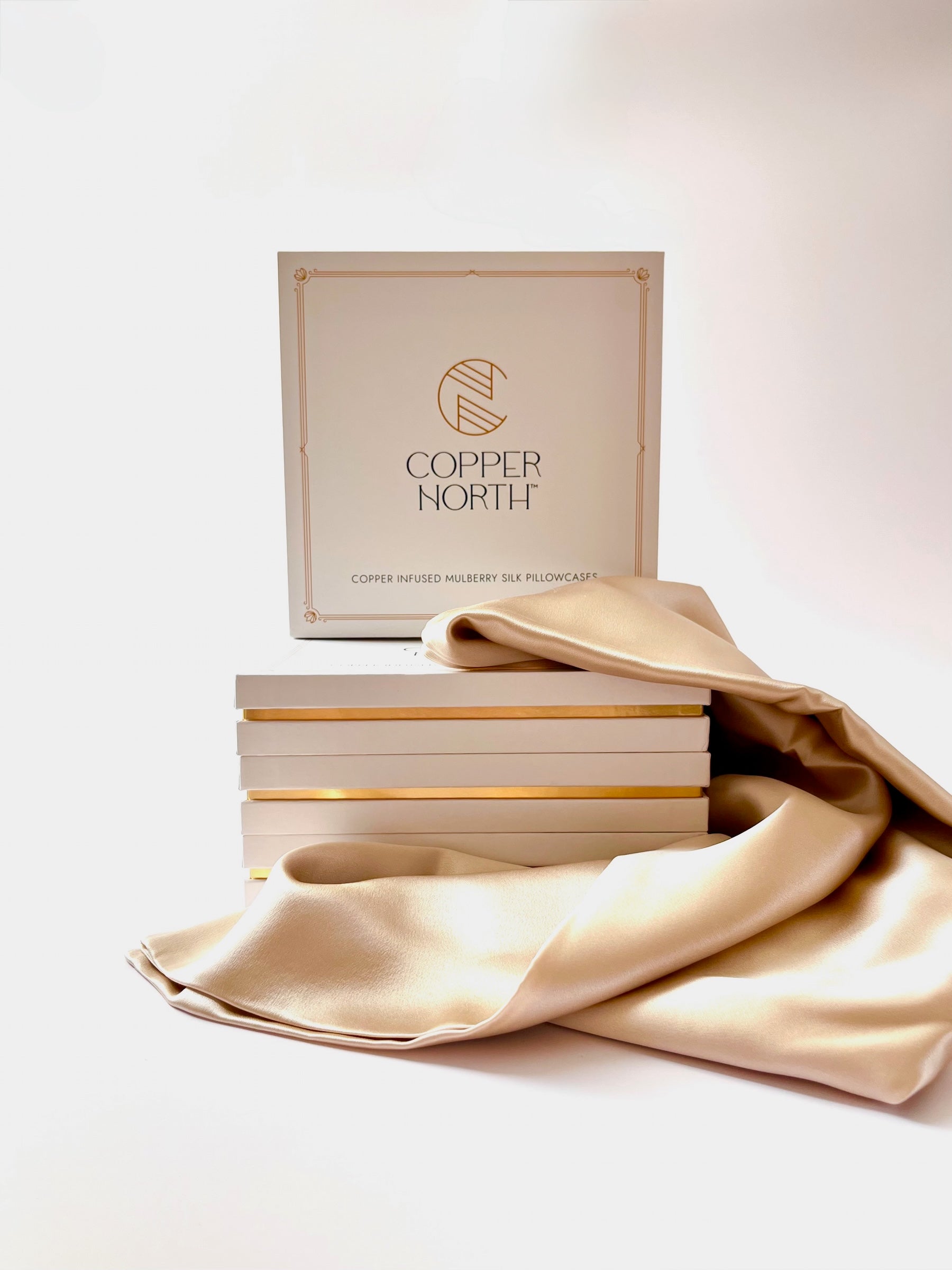
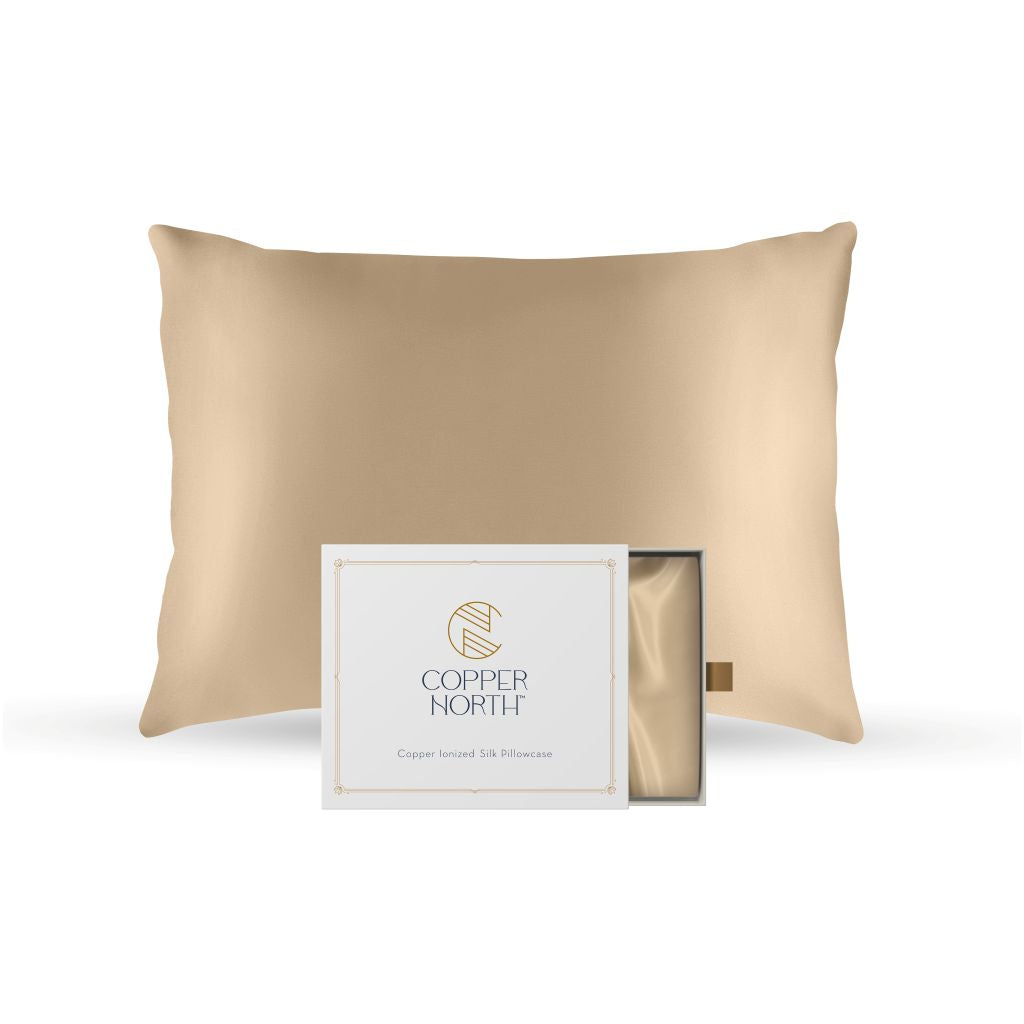
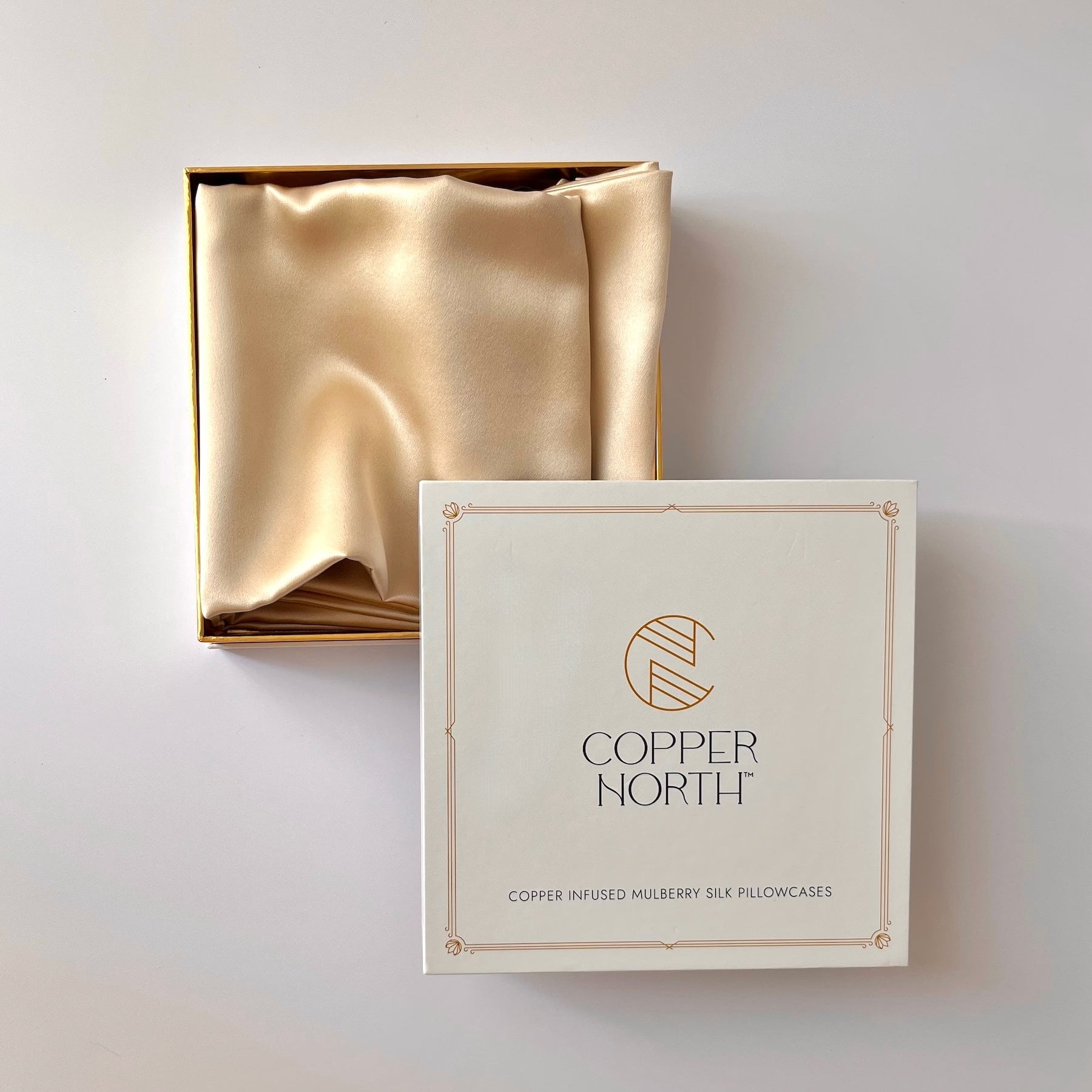
Silk may sound high-maintenance or expensive for a teenager. However, modern mulberry silk pillowcases, including Copper North's, are machine-washable on a delicate cycle with a silk-safe detergent like Soak. Because silk naturally repels bacteria and oils rather than absorbing them, some people find it needs washing less frequently than cotton. Silk’s natural material properties also make it an investment that pays back in skin and hair health improvements relative to cotton.
For the full evidence on silk versus cotton across pillowcases, sheets, and duvets, see Silk vs. Cotton Bedding: A Science-Backed Guide. For insight about bedding choices that work best for sensitive skin, see The Best Pillowcase for Sensitive Skin: What Dermatology Research Shows.
What About Synthetic Fabrics?
Polyester and microfiber are common in teen bedding due to low cost, but they pill, fade, and stretch after washing more quickly than natural fibers. They also trap heat and moisture more readily, which can disrupt sleep comfort and worsen skin conditions.
The research is consistent on their sleep limitations. A 2019 sleep study found polyester led to later sleep onset compared to cotton or wool (15), and a 2024 systematic review confirmed that natural fibers outperform synthetics on thermoregulation and sleep continuity (16). Microfiber also sheds microplastics during laundering (17,18).
For decorative throws and accent pieces, synthetics are a practical choice. For the core sleep surface (sheets and pillowcase) natural fiber is the evidence-backed recommendation.
For a deeper look at why fiber type matters for sleep quality, see Natural Fiber vs. Synthetic Bedding: What Really Matters.
Does Bedding Affect Teen Acne? What the Research Says
Considering acne is where the pillowcase choice becomes genuinely important rather than just a style decision.
Acne affects the vast majority of teenagers at some point during adolescence. It is driven by four things working together: excess skin oil, blocked pores, a bacteria called Cutibacterium acnes, and the skin's inflammatory response to all three (19). A 2025 peer-reviewed study found that acne and sleep have a bidirectional relationship: poor sleep worsens acne through hormonal imbalances, inflammation, and immune disruption, while acne itself disrupts sleep quality (20).
The pillowcase connects to this in two ways.
First, a cotton pillowcase absorbs skin oils, sweat, and bacteria (7,8) and can transfer them back to the face repeatedly through the night. For a teen who already has acne-prone skin, this is a meaningful variable as something that is not the cause of acne, but something that can worsen it.
Second, friction from rough fabric can aggravate existing acne lesions. Research published in what is now JAMA Dermatology documented acne mechanica, which is acne exacerbated by repeated mechanical friction against the skin, as a distinct and recognized condition (21). A higher friction cotton pillowcase (12) in contact with the face for eight or more hours can involve exactly this kind of repeated mechanical input.
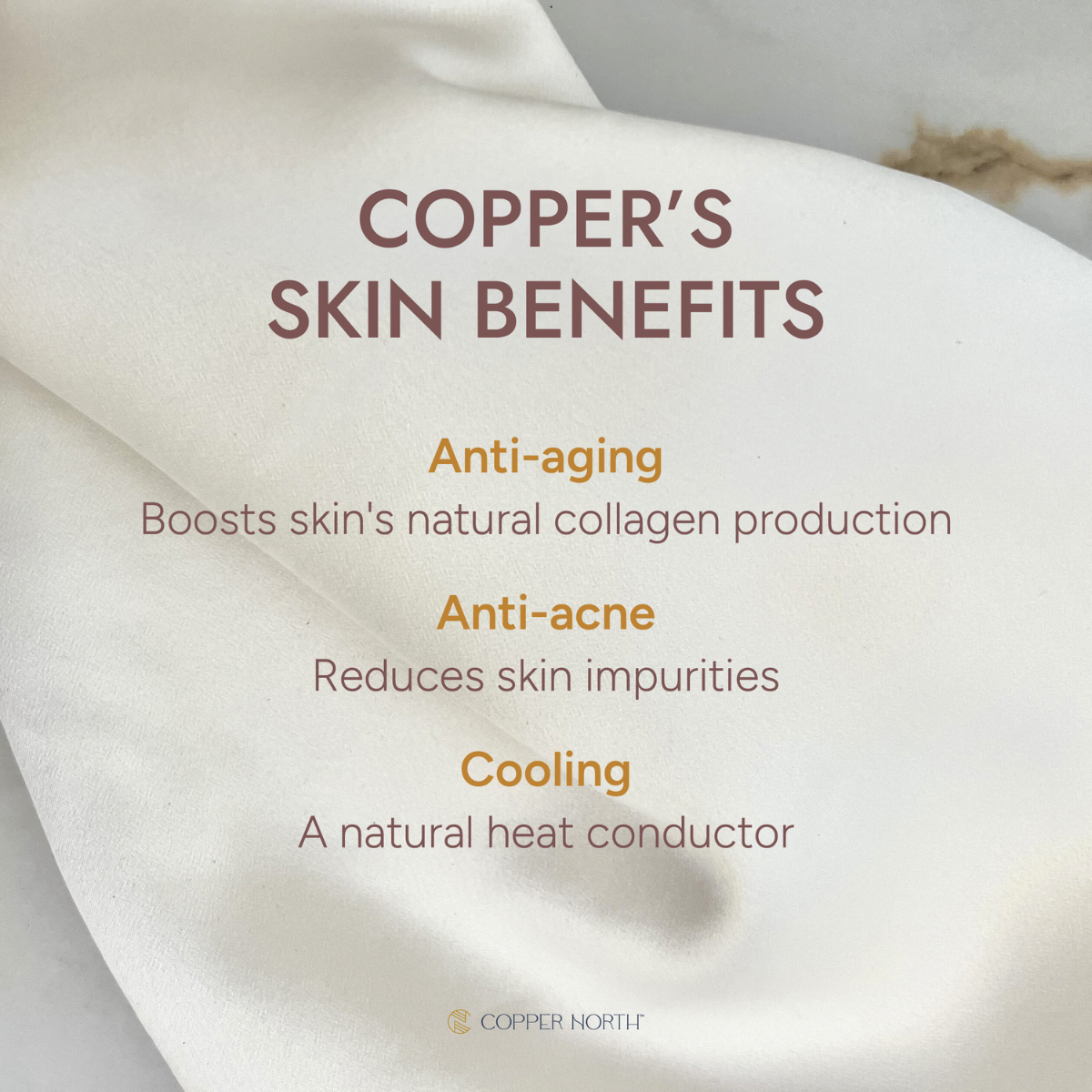
Copper-infused silk may address both variables. Copper has documented antibacterial activity against C. acnes, the bacteria most closely linked to acne. A 2025 peer-reviewed laboratory study found that copper outperformed silver at targeting acne-causing bacteria (22). Silk's lower friction coefficient compared to cotton reduces mechanical irritation of already-inflamed skin (12).
For the full evidence on copper and acne, including an honest assessment of what the research does and does not yet show, see our dedicated article: Does Copper Help With Acne? What Peer-Reviewed Research Shows.
For acne-prone teens, the Copper North copper-infused silk pillowcase can be an evidence-informed choice. It is not acne treatment but can be a meaningful upgrade to the overnight skin environment.
How to Choose a Style That Grows With a Teen
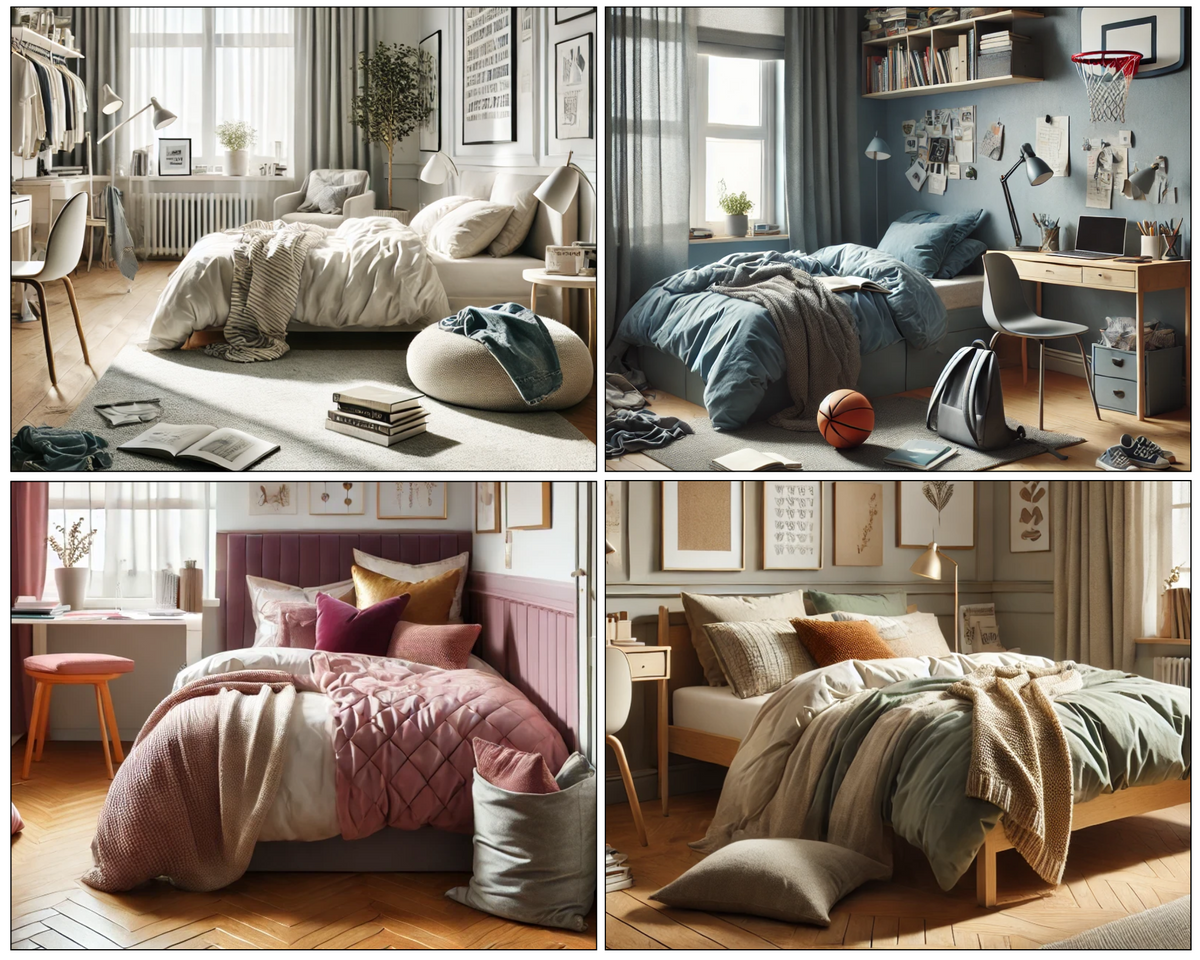
A teenager's aesthetic sense evolves quickly. The room that reflects who they are at 14 often looks very different from the one they want at 17. The practical approach is to invest in a flexible, timeless base and let the accent pieces carry the personality.
START WITH A VERSATILE NEUTRAL BASE. Soft white, pale gray, warm oat, or sage green are foundations that work across different aesthetics: minimalist, maximalist, earthy, or moody. These can be layered with throws, accent pillows, or a patterned duvet cover without requiring a full bedding overhaul when tastes change.
LET THE TEEN CHOOSE THE COLOR. For most teenagers, the bedroom is the first space they genuinely get to shape. Being part of the bedding decision, even just the color or pattern, gives them ownership of the space in a way that matters developmentally. A teen who chose their bedding is also marginally more likely to keep it tidy.
ADD TEXTURE THROUGH LAYERING, NOT CLUTTER. A knit throw, a quilted comforter, or a textured euro sham adds dimension and warmth. These are easy to swap as styles evolve without touching the core investment pieces.
THINK ABOUT THE ROOM AS A WHOLE. A light wood bed frame pairs naturally with earthy linen tones or warm neutrals. A black metal frame can contrast beautifully with crisp white or deep jewel tones. Cohesion, not perfection, is the goal.
What Makes a Teen's Bedroom Good for Sleep?
Beyond the bedding itself, the physical environment of a teenager's bedroom has documented effects on how well they sleep.
TEMPERATURE. A cool room, between 65°F and 68°F (18°C to 20°C), supports the natural drop in core body temperature that initiates sleep onset (5). Breathable natural fiber bedding helps maintain this rather than trapping heat the way synthetic materials do (16).
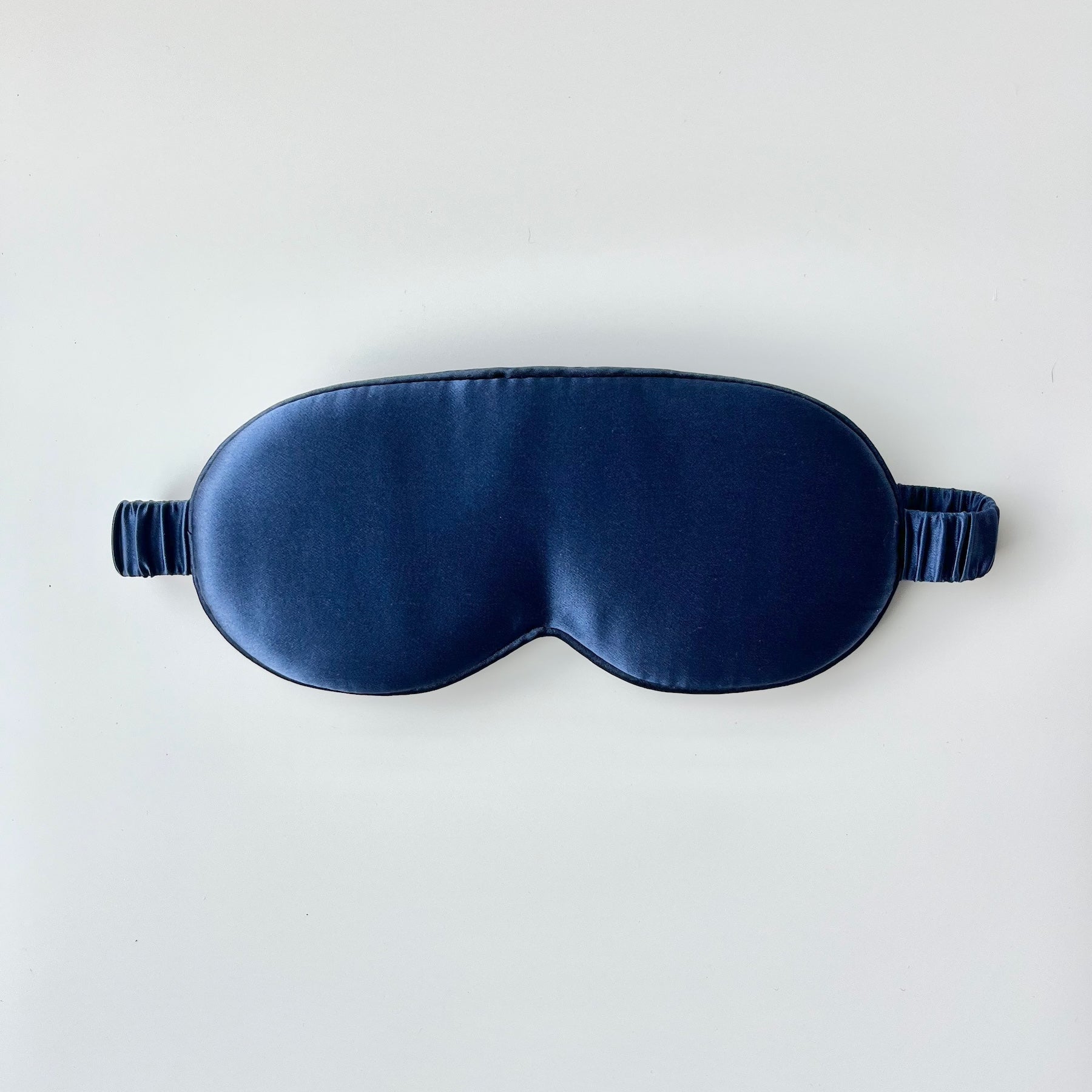
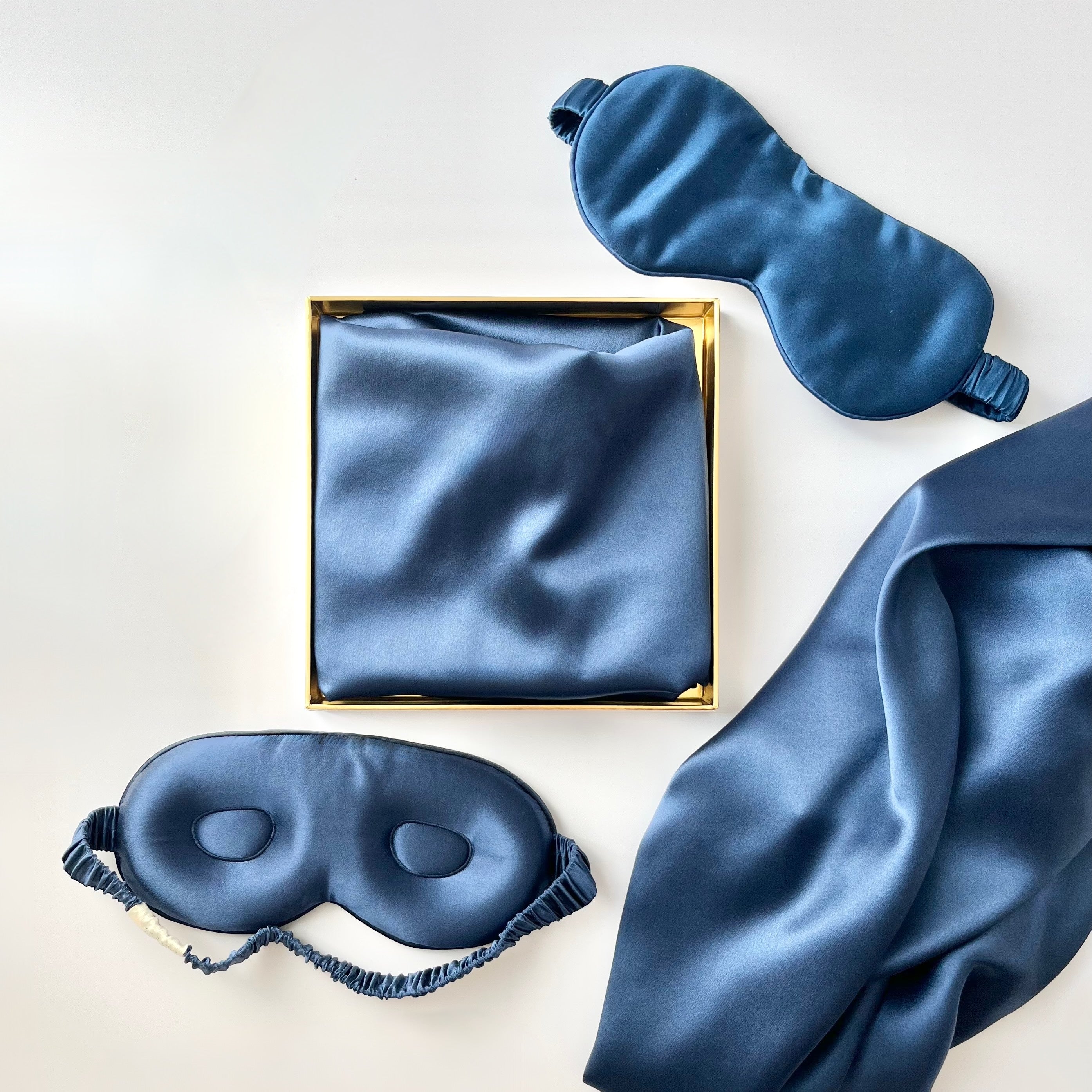
DARKNESS. Even low-level ambient light can suppress melatonin production and delay sleep onset. Blackout curtains or a quality sleep mask make a meaningful difference, particularly for teens in urban or brightly lit environments.
NOISE. For teens in noisy households, earplugs or a white noise source can help. Adolescent sleep expert Kyla Wahlstrom specifically identifies a cool, dark, and quiet room as the foundation of a good sleep environment for teenagers (5).
SCREENS. This is the one that matters most and is the hardest to enforce. Screen light, specifically blue-enriched light, suppresses melatonin and delays sleep onset. But beyond the light, the content itself keeps the brain alert. Denise Pope of Stanford recommends removing the phone from the bedroom entirely rather than just limiting use: "Get the temptation out of the bedroom" (5).
Bedding can signal rest or activity. A bed that is visually inviting, such as made with care and in colors and/or textures the teen actually likes, does quiet psychological work in making the bedroom feel like a place to wind down rather than a place to stay stimulated.
Practical Durability: Bedding That Survives Teen Life
Durability matters in a bedroom that serves as a sleep space, study zone, hangout space, and occasional dining room. The key factors:
MACHINE WASHABILITY. All core bedding should be machine washable. Dry clean-only pieces, however beautiful, are not practical for a teen’s lifestyle.
COLORFASTNESS. Bold colors and patterns should be pre-washed before use to reduce dye transfer. Darker colors are better in sateen or higher-quality cotton that holds pigment well.
PILLING RESISTANCE. Natural fibers generally pill less than synthetic blends over time. Lower thread count cotton and bamboo typically pill less than high thread count sateen, which is often counter-intuitively made from shorter cotton fibers and can break down more quickly under frequent washing.
SILK CARE. Copper North's silk pillowcases are machine washable on a delicate cycle with cold water and a silk-safe detergent like Soak. Because silk naturally resists absorbing oils and bacteria, it often needs washing less frequently than cotton - once a week is typically sufficient - versus every few days for cotton pillowcases used by acne-prone skin.
What About Teen Hair? The Case for a Silk Pillowcase and Silk Scrunchies
Cotton pillowcases can create friction against hair during sleep by lifting the hair cuticle, disrupting curl patterns, causing frizz, and contributing to breakage at the hair shaft over time. For teens with curly, coily, or textured hair, this is particularly significant because those hair types are more vulnerable to mechanical damage.
Silk can reduce that friction at the source, both in the sleep surface and the hair accessory. Copper North's silk hair scrunchies, available in Sleek (1mm) and Classic (5mm) sizes, are gentle enough to sleep in without leaving a dent in the hair or pulling at the scalp. They work for all hair types and are a practical and aesthetic pairing with a silk pillowcase for teens who care about their hair health overnight.
Frequently Asked Questions
What is the best pillowcase for a teenager with acne?
A copper-infused silk pillowcase is the most evidence-informed choice for acne-prone teen skin. Cotton pillowcases absorb skin oils, sweat, and bacteria (7,8) and can transfer them back to the face overnight. Silk can reduce friction (12) against inflamed skin (21), and copper has documented antibacterial activity against the bacteria most closely associated with acne (22). Neither is a treatment for acne but both can help address meaningful variables in the overnight skin environment. See: Does Copper Help With Acne? What Peer-Reviewed Research Shows.
How often should a teenager wash their pillowcase?
Weekly is the standard recommendation for most pillowcases. For cotton pillowcases used by acne-prone skin, every few days is better, as cotton absorbs and accumulates oils and bacteria quickly. Silk pillowcases can typically go a week between washes because silk naturally resists absorbing the oils and bacteria that build up on cotton. Use a silk-safe detergent and cold water.
Is silk bedding practical for teenagers?
Silk bedding is more practical for teens than most people expect. Copper North's silk pillowcases are machine washable on a delicate cycle with a silk-safe detergent. Because silk naturally resists bacteria and oils, it often needs washing less frequently than cotton. The investment is higher upfront but the material is durable when cared for correctly, and the skin and hair benefits are documented.
What fabric is best for a teenager who sleeps hot?
Cotton percale and bamboo are breathable natural fiber options for teens who sleep warm. Both allow airflow and wick moisture more effectively than synthetic materials. Silk is also naturally temperature-regulating, cooler than cotton in warm conditions, and while useful as a pillowcase may not be an economically viable option for sheets. Avoid polyester, microfiber, and synthetic satin, which trap heat and retain moisture.
How can I help my teenager sleep better?
Beyond bedding, the three highest-impact environmental changes supported by sleep research are: removing screens from the bedroom, keeping the room cool at 65 to 68°F, and making the bedroom visually calm and inviting rather than stimulating. A consistent bedtime, even on weekends, reinforces the body's circadian rhythm and makes falling asleep easier over time. The American Academy of Sleep Medicine recommends 8 to 10 hours of sleep per night for teenagers ages 14 to 17 (1).
Read More From Copper North
- Does Copper Help With Acne? What Peer-Reviewed Research Shows
- How to Wash a Silk Pillowcase
- The Best Pillowcase for Sensitive Skin: What Dermatology Research Shows
- Natural Fiber vs. Synthetic Bedding: What Really Matters
- Silk vs. Cotton Bedding: A Science-Backed Guide.
Copper North pillowcases are made from 100% mulberry silk infused with copper ions. Nothing in this article constitutes medical or dermatological advice. For specific hair or scalp concerns, please consult a qualified dermatologist or trichologist.
References
- Paruthi S, et al. (2016). “Recommended Amount of Sleep for Pediatric Populations: A Consensus Statement of the American Academy of Sleep Medicine”. Journal of Clinical Sleep Medicine. 12:785-786. Link
- Centers for Disease Control and Prevention. (2025). "Youth Risk Behavior Survey Data Summary & Trends Report: Dietary, Physical Activity, and Sleep Behaviors 2013–2023." Link
- Cleveland Clinic. (2024). “Here’s How Many Hours Teens Should Sleep”. Health Essentials. Accessed Sep 17, 2026. Link
- Roberts R and Duong H. (2014). "The prospective association between sleep deprivation and depression among adolescents." Sleep. 37(2):239–244. Link
- Gecker J and Associated Press. (2025). "Is your teen sleep-deprived? These expert bedtime tips could help." Fortune. Accessed Sep 17, 2026. Link
- Suganthi S, et al. (2023). "A Comparative Study on Moisture Management Properties of Natural and Manmade Cellulosic Fabrics." Journal of Natural Fibers. 20(1). Link
- Bajpai V, et al. (2011). “Quantification of bacterial adherence on different textile fabrics”. International Biodeterioration & Biodegradation. 65:8,1169-1174. Link
- Obendorf SK and Klemash NA. (1982). “Electron microscopical analysis of oily soil penetration into cotton and polyester/cotton fabrics.” Textile Research Journal. 52(7):434–442. Link
- Matusiak M, Kamińska D. (2022). “Liquid moisture transport in cotton woven fabrics with different weft yarns.” Materials (Basel). 15(18):6489. doi:10.3390/ma15186489. Link
- Federal Trade Commission. “‘Bamboo’ Fabrics”. Accessed Sep 17, 2026. Link
- Federal Trade Commission. (2022). "FTC Uses Penalty Offense Authority to Seek Largest-Ever Civil Penalty for Bogus Bamboo Marketing." Link
- TRI Princeton. (2025). "Everyone is Talking About: Silk Pillowcases." TRI Academy. Link
- Parlin A, et al. (2020). “A Laboratory-Based Study Examining The Properties Of Silk Fabric To Evaluate Its Potential As A Protective Barrier For Personal Protective Equipment And As A Functional Material For Face Coverings During The Covid-19 Pandemic”. PLOS One. 15(9):e0239531. Link
- Kang X. (2023). "The Fabric Factor: The Role of Your Pillowcase and Hair Accessories in Hair Care." TRI Academy. Link
- Chow CM, et al. (2019). "The impact of sleepwear fiber type on sleep quality under warm ambient conditions." Nature and Science of Sleep. 11:167–178. Link
- Li X, Halaki M, and Chow CM. (2024). "How do sleepwear and bedding fibre types affect sleep quality: A systematic review." Journal of Sleep Research. 33(6):e14217. Link
- Das A, et al. (2025). "Ecotoxicological impacts of synthetic microfiber pollutants." Environmental Chemistry and Ecotoxicology. 7:201–210. Link
- Akyildiz SH, et al. (2024). "Release of microplastic fibers from synthetic textiles during household washing." Environmental Pollution. 357:124455. Link
- Dréno B, et al. (2018). "Cutibacterium acnes (Propionibacterium acnes) and acne vulgaris: a brief look at the latest updates." Journal of the European Academy of Dermatology and Venereology. 32(Suppl 2):5–14. Link
- Samaniego M, et al. (2025). "Sleep Disturbances and Acne: A Comprehensive Review." Dermatology Practical & Conceptual. 15(4):5530. Link
- Mills O, Kligman A. (1975). "Acne mechanica." Archives of Dermatology (now JAMA Dermatology). 111(4):465–466. Link
- Albino dos Reis R, et al. (2025). "Selective Antimicrobial Chitosan Films Incorporating Green-Synthesized Silver and Copper Oxide Nanoparticles for Acne Treatment." Antibiotics (MDPI/PMC). Link



Share: