



Last updated: June 2026.
Key takeaways
|
How to Wash a Silk Pillowcase: The Short Version
Silk is more washable than its reputation suggests. Most silk pillowcases, including Copper North's 22-momme mulberry silk, can be machine washed at home without damage, as long as the key rules are followed: cold water, gentle cycle, pH-neutral detergent, and no dryer. Hand washing is always the gentler option if you want to be cautious.
The rest of this guide covers each step in detail, explains why each rule matters, and answers the most common questions, including whether machine washing affects the copper infusion (preview: it doesn’t).
1. Can You Machine Wash a Silk Pillowcase?
Yes, with the right settings. The most important variable is momme weight: very fine silk under 16 momme is more fragile and better suited to hand washing. At 22 momme - the weight used in Copper North pillowcases - the weave is substantial enough to handle a machine delicate cycle without damage.
Settings for how to wash a silk pillowcase:
- Cold water
- Gentle cycle
- Hand washing is always an option
Always use cold water. Hot or even warm water can cause silk to shrink and degrade the fiber over time. Cold is not a preference; it is the rule for all silk, regardless of momme weight or how the pillowcase is washed.
As a bonus step: Use a mesh laundry bag to protect the pillowcase during the wash cycle, which can prevent snagging against other items and reduce agitation. Turn the pillowcase inside out before placing it in the bag.
2. What Is the Best Detergent for a Silk Pillowcase?
Use a pH-neutral, silk-safe detergent. Common options are often marketed as “for delicates” or “wool and silk detergent.” A pH neutral detergent keeps the silk smooth and maintains its sheen longer.
Why does silk need a special detergent? Most standard laundry detergents are formulated for cotton, a plant-based fiber, and are typically alkaline, with a pH above 7. Silk is a protein-based fiber, and alkaline conditions break down the bonds that give silk its structure and sheen. Many standard detergents also contain enzymes designed to dissolve protein-based stains like grass and blood. Silk is a protein, so those same enzymes gradually degrade the fiber with repeated use. A pH-neutral, enzyme-free detergent, the kind labeled for delicates, wool, or silk, cleans without attacking the fiber itself.
Avoid:
- Bleach
- Fabric softener
- Enzyme detergents
- Anything promising “whitening power”
3. Wash It Inside Out for Extra Longevity
This small step keeps the exterior smooth and reduces friction against other fabrics. We also recommend using a delicates laundry bag, if you have one.
Neither step is required… just recommended for luxury bedding care.
4. How Often Should You Wash a Silk Pillowcase?
We recommend every 7-10 days, or more often if you’re a nightly skincare maximalist. Copper infusion can mean that pillowcases have a boost in naturally resisting bacteria, but silk still deserves regular refreshes.
5. How to Dry a Silk Pillowcase
Your pillowcase and a dryer? No. The best method:
- Lay flat on a clean towel
- Or hang to dry, ideally away from direct sunlight
Heat can weaken silk fibers, and the sun can fade natural dyes.
6. Ironing Is Optional
Wrinkles tend to fall out naturally once your pillowcase is back on the pillow. But if you’re a perfectionist:
- Use a steamer, OR
-
Iron on low heat with a cloth barrier
The rule is the same as washing: never apply high heat directly to silk. A pressing cloth between the iron and the fabric protects the surface.
7. Does Washing Affect the Copper Infusion?
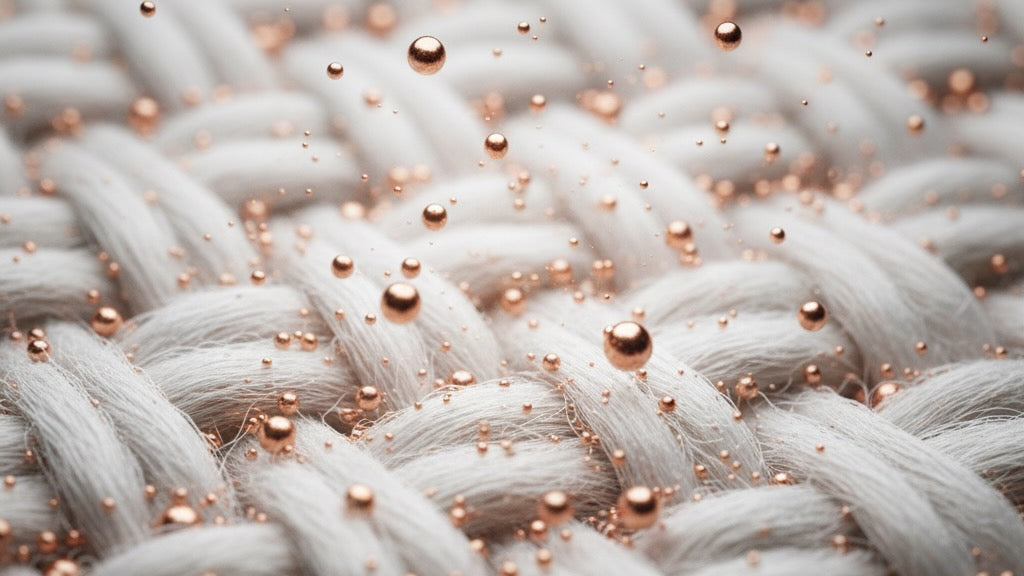
Not with proper care. The bath immersion process used in copper-infused silk creates a bond between the copper ions and the fiber structure itself, rather than a surface coating that can wash off. The care instructions in this guide - namely, cold water, gentle cycle, pH-neutral detergent - protect the silk fiber. The copper is a separate consideration that proper washing does not meaningfully affect under normal use conditions.
For more on how the copper infusion process works and why it is designed for durability, see How Copper Infusion Works →.
8. Treating Small Stains
Spot treat the stain only with cold water and a tiny amount of your gentle detergent. Pat at the stain, don’t rub. Rubbing can break silk fibers, and we’re not here for that.
Frequently Asked Questions About Washing Silk
Can you machine wash a silk pillowcase?
Yes. Most quality silk pillowcases are machine washable on a delicate cycle with cold water, inside a mesh laundry bag. The key variable is momme weight; 22-momme silk, the weight used in Copper North pillowcases, is substantial enough to handle machine washing safely. Lighter silk under 16 momme is more fragile and better suited to hand washing. Always check the care label first.
What is the best detergent for washing a silk pillowcase?
A pH-neutral, enzyme-free detergent marketed for delicates, silk, or wool is best for washing a silk pillowcase. Enzyme detergents break down proteins, and silk is a protein-based fiber, so repeated use gradually weakens the fabric. Copper North carries Soak, a rinse-free detergent specifically formulated for natural fibers including silk. Avoid bleach, fabric softener, and any detergent promising whitening or stain-lifting enzymes.
What water temperature should I use to wash silk?
Cold water only. Hot or even warm water can cause silk to shrink, lose its sheen, and degrade faster over time. Most machines' delicate or silk cycle defaults to cold water, but confirm the setting before starting.
How often should you wash a silk pillowcase?
Every 7 to 10 days is a reasonable baseline for most people. If you apply skincare products before bed, use a heavy hair routine, or sweat during sleep, washing more frequently, such as every 5 to 7 days, keeps the pillowcase performing at its best and is better for skin health.
Can you put a silk pillowcase in the dryer?
No. Heat damages silk fibers and can cause shrinkage and loss of sheen. Lay the pillowcase flat on a clean towel or hang to air dry, away from direct sunlight. Wet silk is heavier and can stretch if hung incorrectly - laying flat is the gentler option.
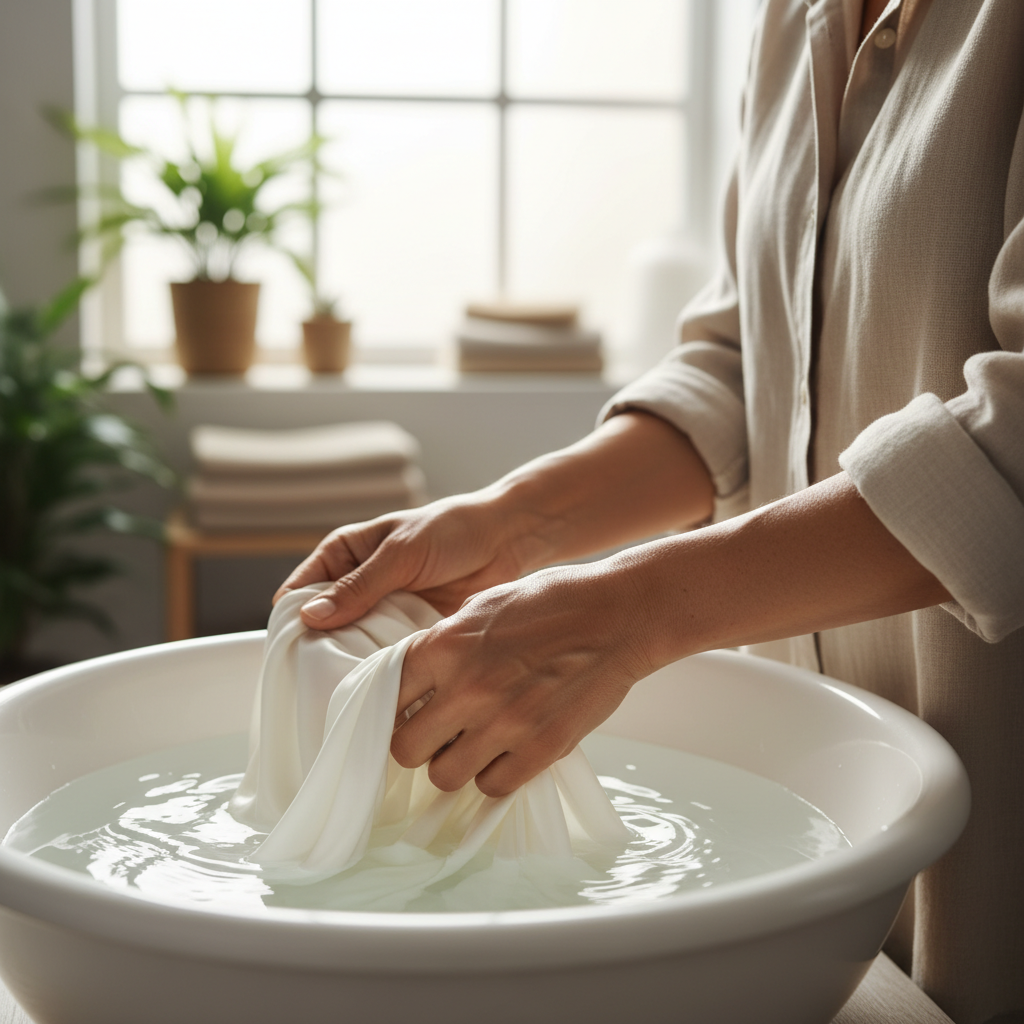
How do you hand wash a silk pillowcase?
Fill a clean basin with cold water and add a small amount of pH-neutral silk-safe detergent. Submerge the pillowcase and gently move it through the water - do not rub the fabric against itself. Rinse thoroughly with cold water, gently press out excess water without wringing or twisting, then lay flat to dry on a clean towel away from direct sunlight.
Does washing a copper-infused silk pillowcase affect the copper?
Not with proper care. The bath immersion copper infusion process bonds copper ions to the fiber structure rather than coating the surface, so regular washing under the conditions described here does not meaningfully affect the copper. The care instructions in this guide are designed primarily to protect the silk. For more on the copper infusion process, see How Copper Infusion Works →.
Can you dry clean a silk pillowcase?
Yes, dry cleaning is a safe option for silk, though it is not necessary for routine care (and can become costly with regular use). If you have a particularly delicate or older pillowcase, or are dealing with a stain you cannot treat at home, a dry cleaner who specializes in silk is a good option.
How do you get stains out of a silk pillowcase?
Spot treat only - do not soak or scrub. Apply a small amount of cold water and a drop of pH-neutral detergent directly to the stain and pat gently with a clean cloth. Do not rub, which can break silk fibers. Rinse the treated area with cold water and air dry. For stubborn stains, a professional dry cleaner is the safest option.
How long does a silk pillowcase last with proper care?
A 22-momme mulberry silk pillowcase that is washed correctly - cold water, gentle cycle, pH-neutral detergent, air dried - can last several years while retaining its softness, sheen, and structural integrity. The most common causes of premature wear are heat (washing or drying), enzyme detergents, and aggressive mechanical agitation.
The Care Routine in One Place
Cold water. Gentle cycle. Mesh bag. pH-neutral detergent. Air dry. That's the whole routine. Silk is more resilient than its reputation - it just needs a little consistency rather than a lot of effort.
For more from The Art:
- The Ultimate Pillow Guide: Find the Right Fit for Your Bed
- What Is Silk Momme and Why Does It Matter
From The Science:









Share: