



Choosing between natural fiber bedding and synthetic bedding isn’t just a style decision, it’s a comfort, health, and quality of life investment. From temperature regulation to environmental impact, the materials closest to your skin every night can influence how well you sleep.
Why Natural Fibers in Bedding Matter for Sleep
Sleep quality is closely tied to the sleep environment, especially temperature and moisture balance. As part of the natural sleep cycle, the body lowers its core temperature to fall asleep and stay asleep. Bedding materials directly influence this process by either helping dissipate heat and wick moisture or trapping warmth and humidity against the skin.
Natural fibers, such as cotton, silk, or wool, have inherent thermoregulation or moisture managing properties. Synthetic fibers, on the other hand, have poorer moisture absorption rates than natural textiles (1).
A 2024 systematic review in the Journal of Sleep Research found that textile properties in sleepwear and bedding influence thermoregulation, comfort perception, and sleep continuity (2). A 2019 study found that polyester bedding and sleepwear consistently led to later sleep onset, particularly among poor sleepers (3).
So, a choice of natural fiber bedding directly influences how well we set ourselves up for a restful night of sleep.
Natural Fibers Used in Bedding
Natural fibers are called such because they come directly from plants or animals, with little chemical intervention to change their structure. Fibers such as cotton, silk, and wool are popular because they allow for greater airflow, moisture exchange, and temperature regulation than synthetic materials.
Cotton
Cotton remains the most widely used natural bedding fiber globally. Long-staple cotton, in particular, produces smoother, stronger yarns that resist pilling and improve longevity.
Cotton’s breathability and moisture absorption properties have been well documented in textile science research, where it is consistently shown to absorb and release moisture more effectively than synthetic fibers (4). That translates to a drier, more comfortable sleep surface. This makes cotton a common bedding choice in a number of items, including sheets, pillowcases, and duvet covers.
Cotton bedding commonly comes as:
- Percale: Known for being crisp and breathable
- Sateen: Uses a weaving approach similar to satin; Is smoother, slightly warmer
- Long-staple cotton: Stronger, gets softer over time
Linen
Made from flax, linen fibers are hollow and highly breathable. When produced, cleaned, and spun in its natural climates, linen and the rest of the flax by-products produce no waste and next to no secondary pollution as nearly all parts of the flax plant have a use (5).
Linen is often a more textured surface than some other natural or synthetic fibers. Nevertheless, its cool, moisture drawing, and quick-drying properties makes it a popular bed sheet option for hot sleepers or in humid climates.
Silk
Silk is a protein fiber made by silkworms, known for smoothness and natural thermoregulation. It adjusts to body temperature and can feel cool in summer and warm in winter.
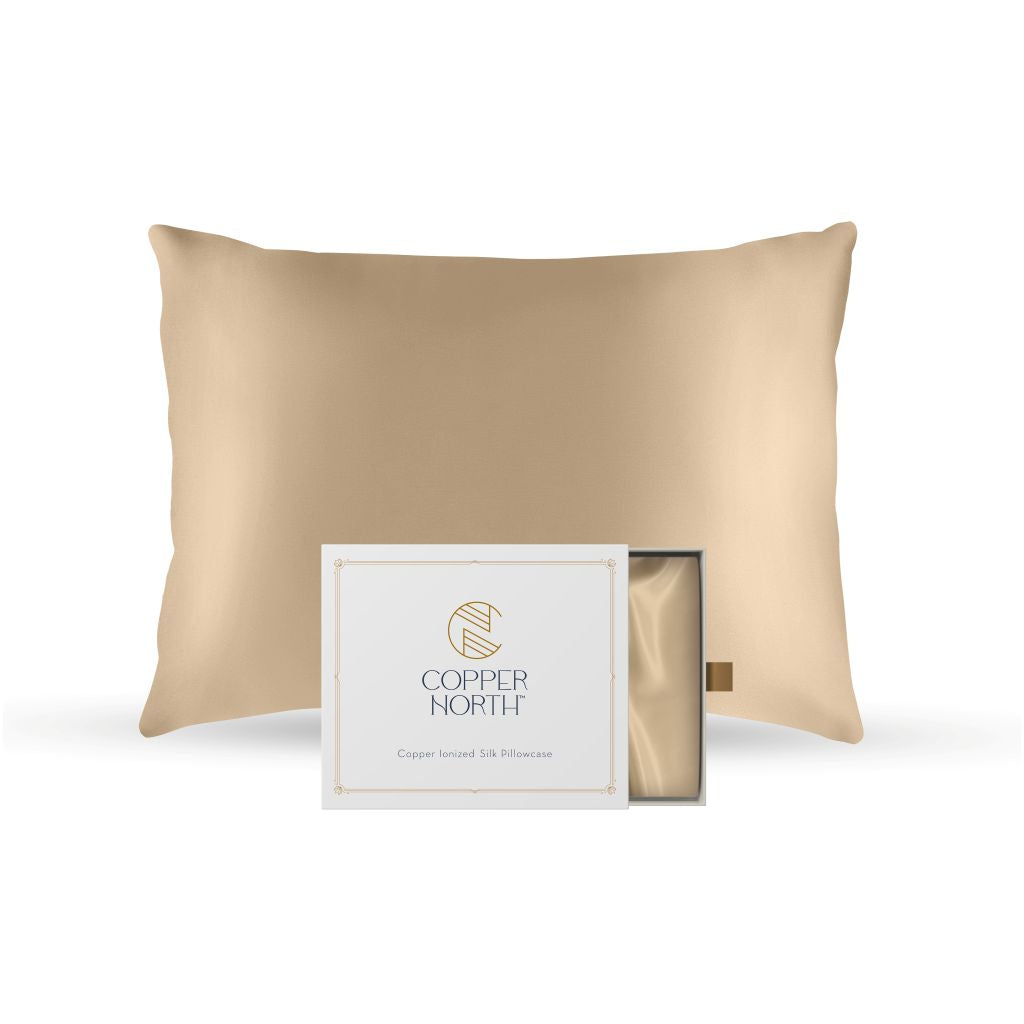
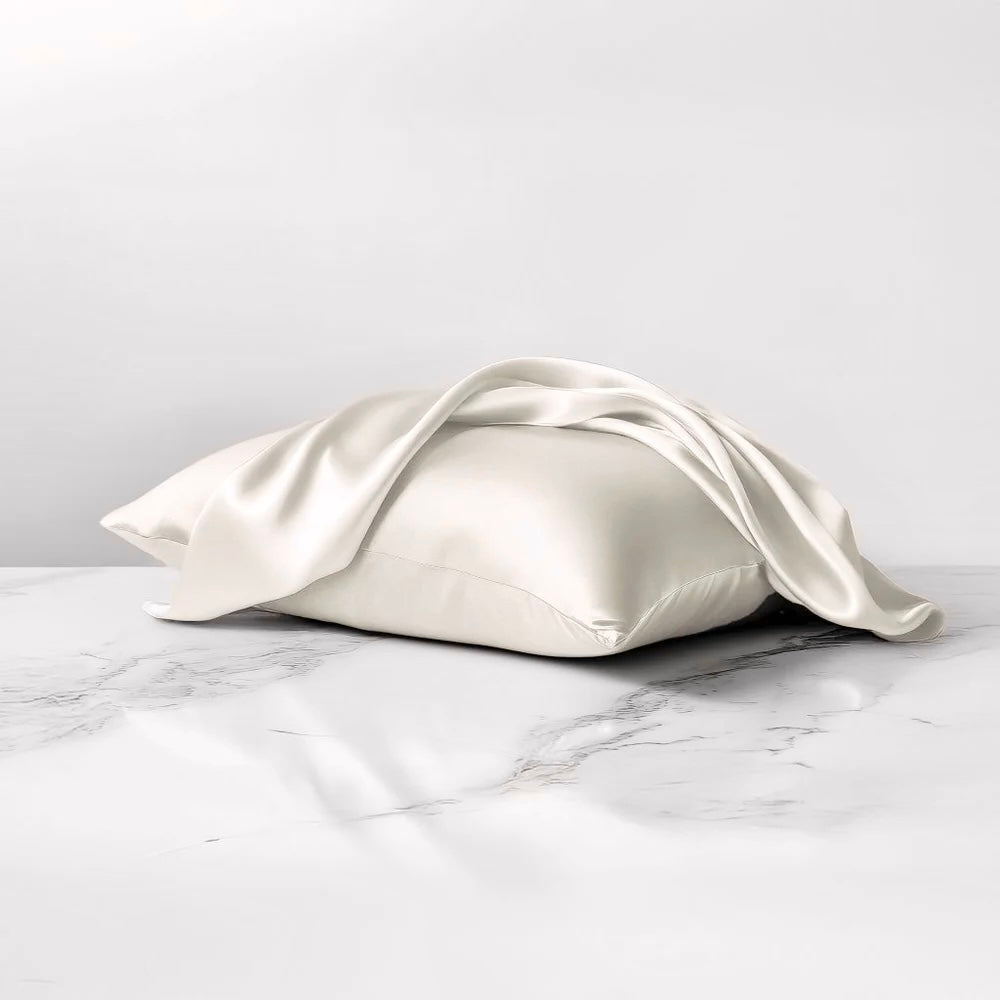
Its low surface friction is often cited in dermatological discussions around hair breakage and skin drag (6). Silk has a smoother surface than cotton, yet requires more care. For those who invest in it, silk’s advantages of smoothness, with temperature and moisture balance result in gentle sleep. This makes it a frequent material choice for pillowcases, pajamas & sleep accessories, and occasionally for bed sheets, which provide silk’s benefits over a larger surface area but at a higher price.
Wool, Merino, Cashmere, and Mohair
Wool is a technically impressive natural fiber. Wool has a property called hygroscopic absorption, where the outer layer of wool is hydrophobic (repels water), but its internal structure is hydrophilic (attracts water). Put simply, this means that wool can absorb water - some reports say up to 30% of its weight - without feeling wet or sticky against skin (7). This makes it a strong material for the interior of bedding, such as duvet covers.
Wool is made from the shorn fleece of sheep and other members of the ovine family, with the fibers separated, cleaned, and spun into yarn. Depending on the breed of sheep or where on the animal the fleece comes from, different qualities of yarn are made.
Under the umbrella category of wool, there are 3 more luxurious types that also occur in bedding:
- Merino wool: From Merino sheep, finer and softer than standard wool, with less “itch”
- Cashmere: From cashmere goats commonly raised in Mongolia, China, and Central Asia, this wool comes from the goats’ underbelly. It is extremely fine, soft, and warm.
- Mohair: Comes from the Angora goat and is known for a subtle sheen and strength. This is sometimes used on its own or as a blend, often in decorative throws.
Hemp
Hemp, from the cannabis sativa plant, is gaining attention as a sustainable textile due to its durability and low need for irrigation. Hemp requires significantly less irrigation than conventional cotton and grows without heavy pesticide use. This has an impact considering that, by some estimates, the textile industry accounts for more carbon emissions than all international airfare and maritime shipping (8).
The drawback of hemp is that it is a relatively stiff fiber. Unless it undergoes more costly chemical or plasma treatment or has shifts in its yarn production, hemp is more commonly found in blends with other fibers (9).
Synthetic Textiles Used in Bedding
Synthetic fabrics such as polyester or microfiber are often engineered from petroleum-based polymers and are often designed for durability, wrinkle resistance, and lower cost. In contrast to natural fibers though, synthetic fabrics tend to trap heat and moisture, creating a microclimate that may disrupt sleep and encourage bacterial growth.
Polyester
Polyester is the most widely used fiber globally. It accounts for 54% of all production (10). In direct cost attribution (i.e. omitting environmental or health impacts), it is an inexpensive fiber that is also durable.
However, polyester absorbs little moisture. It can trap heat and humidity close to the skin. A sleep study found that sleeping in polyester led to later start of sleep compared to sleeping in cotton or with wool (11).
Microfiber
Microfiber is ultra-fine polyester woven tightly to create a soft feel, sometimes similar to silk or velvet in tactile sensation. While initially smooth, it is less breathable and may trap heat, like all polyester-based textiles. It also is made from finer fibers which can become brittle or pilled more quickly, degrading the look of the material.
Another drawback of microfiber is its significant contribution to environmental microplastics pollution. In addition to causing degradation in the look of the fabric, microfiber’s fine fibers also break down more easily, particularly during laundering. Together with other polyesters, microfiber textile manufacturing and everyday laundering releases up to 90% of the microfibers in the ocean (12).
Nylon
While strong and elastic, nylon has very low moisture absorption, which can reduce breathability. It is typically reserved for blends, if used in bedding.
Acrylic
Acrylic is another petroleum-based polymer and is often used as a wool substitute in throws or decorative bedding. It is lightweight but less effective at moisture management. Like microfiber, it degrades rapidly and releases microplastics easily that can be inadvertently inhaled or released in washing. One 2024 study found that acrylic released the most microplastics during laundering of all textiles evaluated (13).
Semi-Synthetic Textiles Used in Bedding
Semi-synthetic textiles occupy a middle ground between natural and fully synthetic fibers. These materials begin with plant-based cellulose, often derived from wood pulp, bamboo, or other plant sources, but are transformed into usable fibers through chemical processing. The result is a fabric that can mimic the softness, drape, and smoothness of natural textiles while offering some of the consistency and manufacturing efficiency associated with synthetics.
Because of this hybrid origin, semi-synthetic bedding materials are often marketed as eco-friendly alternatives, though their environmental impact depends heavily on the specific production methods used.
Rayon, Modal, Lyocell (TENCEL™)
Rayon/Viscose, Modal, and Lyocell are semi-synthetic fibers derived from plant cellulose but chemically processed, sometimes blended with cotton in bedding textiles.
They present a less pollutive option than petroleum-based bedding options, while offering some of the same benefits of drape and feel. Lyocell and Modal are typically priced higher than Rayon, cotton, or other synthetics (sometimes 30-40%), due to an energy-intensive, closed loop production process meant to minimize direct environmental impact (14).
Bamboo (Usually Bamboo Viscose)
Most “bamboo bedding” is bamboo viscose or rayon, meaning the cellulose is chemically dissolved and reconstituted from bamboo. While marketed as natural, it is technically a semi-synthetic.
Like other semi-synthetics, bamboo can have an appealing drape and feel. Buyers should beware, however, as the Federal Trade Commission has repeatedly warned about misleading ‘100% bamboo’ labeling, when the products are actually rayon (15).
Environmental & Health Considerations
Synthetic textiles, primarily variations of polyester, now account for approximately 62% of global fiber production (16). Most are derived from fossil fuels and are non-biodegradable.
Polyester sheds microplastic fibers during washing, contributing to environmental pollution (17). Furthermore, a 2025 peer-reviewed study found that humans are inhaling or ingesting up to 68,000 microparticles of plastic per day (18). This can have direct health consequences, with some workers in nylon factories reporting lung cancer rates 3x higher than normal (19).
Natural fibers, by contrast, are biodegradable and renewable. Cotton and wool production have environmental impacts, but they do not contribute to persistent microplastic pollution in the same way synthetic fibers do. Meanwhile, silk, wool, and linen add additional benefits of warmth-to-weight ratios, breathability, and pleasing feel. For this reason, natural bedding materials are widely recommended in sleep and textile research.
Natural vs. Synthetic Comparison

Finding a Bedding Balance
Synthetic bedding has advantages: affordability, wrinkle resistance, and ease of care. It can be practical for dorm rooms, guest rooms, or decorative layers.
But when sleep quality, breathability, durability, and environmental + health impacts are priorities, natural fiber bedding consistently aligns with the research as the best option for sleeping well.
The materials we sleep on every night shape how we rest, recover, and wake. And when it comes to sleep, better inputs often lead to better outcomes.
References
- Suganthi, S., et al. (2023). “A Comparative Study on Moisture Management Properties of Natural and Manmade Cellulosic Fabrics Produced from Plain and Its Derivative Knitted Structures.” Journal of Natural Fibers. 20:1. Link
- Li X, Halaki M, and Chow CM. (2024). "How do sleepwear and bedding fibre types affect sleep quality: A systematic review." Journal of Sleep Research. 33(6):e14217. Link
- Chow, C.M. et al. (2019). “The impact of sleepwear fiber type on sleep quality under warm ambient conditions.” Nature and Science of Sleep. 11:167-178 Link
- Suganthi, S., et al. (2023).
- Victoria and Albert Museum. (2024). “Linen - The Original Sustainable Material.” Fashioned from Nature. Accessed Mar 2, 2026. Link
- TRI Princeton. (2025). “Everyone is Talking About: Silk Pillowcases.” TRI Academy. Accessed Jan 23, 2026. Link
- Zhou, L., et al. (2007). “Characterization of Liquid Moisture Transport Performance of Wool Knitted Fabrics.” Textile Research Journal. 77(12):951-956. Link
- Ellen MacArthur Foundation. (2017). “A new textiles economy: Redesigning fashion’s future.” Accessed Mar 5, 2026. Link
- Madhu, G., et al. (2025). “Mechanical and Comfort Properties of Hemp and Hemp Blend Fabrics: A Comprehensive Review.” International Research Journal on Advanced Engineering and Management (IRJAEM). 3(03):654-664. Link
- Textile Exchange. (2023). Materials Market Report 2023. Accessed Mar 5, 2026. Link
- Chow, C.M. et al. (2019).
- Das, A., et al. (2025). “Ecotoxicological impacts of synthetic microfiber pollutants and development of sustainable mitigation strategies.” Environmental Chemistry and Ecotoxicology. 2025:7,201-210. Link
- Akyildiz, S. H., et al. (2024). “Release of microplastic fibers from synthetic textiles during household washing.” Environmental Pollution. Vol 357, 124455. Link
- CoherentMI. (2025). “United States Lyocell Fabric Market Size And Share Analysis - Growth Trends And Forecasts (2025-2032).” Accessed Mar 6, 2026. Link
- Federal Trade Commission. (2022). “FTC Uses Penalty Offense Authority to Seek Largest-Ever Civil Penalty for Bogus Bamboo Marketing from Kohl’s and Walmart.” Accessed Mar, 2026. Link
- Textile Exchange. (2023).
- Akyildiz, S. H., et al. (2024).
- Yakovenko, N., et al. (2025). “Human exposure to PM10 microplastics in indoor air.” PLoS One. Link
- Landrigan, P.J., et al. (2023). “The Minderoo-Monaco Commission on plastics and human health.” Annals of Global Health. 2023;89(1):23. Link






Share: