




Turns out the phrase isn't just flattery. Our skin runs a full repair shift every night, governed by the same molecular clock that makes us tired.
Last updated: May 2026 | Reading time: ~8 minutes
This article cites peer-reviewed research published in indexed medical and scientific journals with parenthetical numeric tags. All citations are linked at the end.
"Beauty sleep" sounds like something a skincare brand made up. The kind of thing that seems plausible but that nobody checks.
But some researchers checked. And it turns out our skin isn't just resting while we sleep; it's running a scheduled maintenance program, timed to an internal molecular clock that coordinates five distinct biological repair processes during the dark phase. The science of beauty sleep has been published in Nature Cell Biology, the Journal of Investigative Dermatology, and the Proceedings of the National Academy of Sciences.
Here's what’s happening, and what it means for how to care for our skin.
Our skin has a circadian clock
Before getting into what the skin does at night, it helps to know why it does it at night specifically.
Most people know the body runs on a roughly 24-hour circadian rhythm. What's less widely known is that the skin has its own version: a peripheral molecular clock embedded in keratinocytes, the cells that make up the outer layers of our skin. This clock runs semi-independently of the central clock in the brain, but stays synchronized with it. It controls when skin cells divide, when they repair DNA, when they synthesize structural proteins, and when the outer barrier opens or tightens.
Research published in 2013 confirmed that core clock genes in human skin cells follow a phase-delayed 24-hour cycle, establishing successive windows in which specific functions are prioritized: proliferation, differentiation, damage response (1). It's not just that good things happen to the skin during sleep. It's that those good things are scheduled for the night.
What the skin’s night shift looks like
Our skin makes collagen while we sleep
Collagen is the structural protein that keeps skin firm, elastic, and resistant to the mechanical stress of daily life. It's also the one whose gradual decline most visibly drives aging. What the research shows is that collagen synthesis is not a constant, ongoing process. It follows a daily rhythm, with synthesis peaking during the dark phase.
A 2020 study published in Nature Cell Biology found and defined the specific molecular process. The skin’s circadian clock dictates when the precursor to collagen, called procollagen, is assembled within the cells. It also governs when procollagen is secreted from cells and then assembled outside cells into the knitted structure of collagen, called a collagen fibril, including the crosslinking, or strengthening, of that structure (2).
More importantly, the researchers also found that when they interrupted the circadian clock, poorer quality collagen fibrils formed and less procollagen left the cells (3). Put simply, collagen was weaker, and there was less of it when the skin's circadian clock was disrupted.
Cell turnover is more active at night
The outer layer of skin, the epidermis, is in a constant state of renewal, driven by stem cells in the basal layer that divide, mature, and migrate upward to eventually form the protective surface. In skincare product marketing, this is often called cellular turnover. This renewal follows a strong circadian pattern.
Research in 2012 confirmed that the core clock gene controls the timing of cell proliferation in the epidermis (4). A follow-on study found that there are three to four times more stem cells in active division during the night than during the day (5) - not by chance, but because the circadian clock schedules it that way.
A 2024 study added another layer: the circadian clock doesn’t just control when skin cells divide. It also drives the production of the structural proteins that new cells need to develop correctly (6). Meaning, the clock isn’t just a timer; it also manages the correct building materials.
DNA repair peaks while we're asleep
Every day, UV exposure and oxidative stress leave their marks on skin cell DNA. The cellular repair machinery for correcting that damage, nucleotide excision repair, is also circadianly controlled, with peak activity at night (7,8). The logic is elegant: repair the day's damage when no new UV damage is being introduced.
Research showed that when the circadian clock was disrupted, the skin showed increased susceptibility to UV-induced DNA damage, abnormal skin aging, and elevated cancer risk compared to controls with intact clocks (9). The circadian clock doesn't just schedule repair; it appears to be a prerequisite for effective repair.
The skin barrier opens, presenting an opportunity and a challenge
This step requires a bit of nuance, because increased nighttime permeability is a two-sided coin.
The passive movement of water through the outer skin layer follows a circadian rhythm. Research published in the Journal of Investigative Dermatology measured skin permeability across 24-hour cycles and found that this movement of hydration is significantly higher in the evening and overnight than in the morning (10).
It’s the two-part permeability and hydration movement that creates the conflicting moment:
The skin’s opportunity
This is why nighttime skincare works better when timed at night. A more permeable barrier means active ingredients, such as retinoids, peptides, and moisturizers, are more readily absorbed. This isn't marketing. It's documented biology.
The skin’s challenge
A more permeable barrier also loses moisture more readily overnight. The skin's hydration management is more active at night, which means the microenvironment the skin is sitting in for seven to eight hours is a real variable, not a trivial one. A sleep surface that draws moisture away from skin (common in cotton) or traps heat against it (common in synthetics like polyester) adds work to a system already running at capacity.
This is where the choice of what we sleep on matters, as part of clear environmental logic applied to documented skin physiology.
Interested in the science of a sleep surface? Check out Does a Copper Pillowcase Actually Work? →
Our skin produces its own antioxidants overnight
Most people know melatonin as the hormone that helps us sleep. What's less known is that our skin produces its own melatonin, separately from the brain, and it behaves differently here. In skin cells, melatonin acts as an antioxidant: it seeks out and neutralizes free radicals, the unstable molecules generated daily by UV exposure, pollution, and normal cell activity that accumulate and damage skin over time (11,12).
Our skin's circadian clock also does something quietly clever here. Research has found that the processes that generate free radicals in skin cells are deliberately timed to occur away from the window when cells are actively dividing (13). In other words, the clock separates "cleanup" from "construction", keeping the building phase as clean as possible. However, when sleep is disrupted consistently, that separation breaks down, and dividing cells are exposed to more oxidative damage than they should be (14).
In short, our skin isn't just repairing at night, it's also running protection for the repair work itself.
What disrupts the skin’s circadian clock
Five biological repair processes running on a molecular clock means anything that disrupts the clock affects the outcome. The common culprits are:
Poor Sleep
A 2025 review in the ARC Journal of Dermatology synthesizing 30 peer-reviewed studies from 2015–2025 found consistent associations between poor sleep and impaired barrier function, accelerated aging markers, and increased skin inflammation (15). The mechanisms are specific: disrupted sleep timing shifts or compresses the collagen synthesis window, the cell division peak, and the DNA repair window. The biology still runs, just out of order or shortened.
Epidermal Jet Lag
Researchers have a name for what happens to skin when sleep timing becomes consistently irregular: epidermal jet lag. A review published in the Journal of Clinical and Aesthetic Dermatology documents the underlying mechanism: the skin's molecular clock, when desynchronized from the central pacemaker, produces measurable disruption to the repair processes described above, with real effects on skin function and appearance over time (16).
Consistent sleep timing - going to bed and waking at roughly the same time - turns out to matter as much as duration. The skin’s repair schedule needs the same clock, night after night.
Practical Tips
The biology above is specific enough to generate a few genuinely evidence-based habits that aren’t skincare folklore, but are direct tips to support the skin’s repair process during sleep.
Apply actives at night
Retinoids, peptides, and vitamin C - the nighttime permeability window is why these ingredients work best applied in the evening. The increased absorption is documented in the permeability and hydration research (17).
Cleanse before bed
Nighttime permeability works in both directions. Residual SPF, pollution, and makeup are present during the skin's most receptive hours. Removing them before sleep is more important than removing them in the morning.
Take sleep timing seriously
Duration matters. Consistency matters just as much. The repair schedule runs on a clock - keeping regular sleep timing keeps that clock calibrated.
Think about the sleep surface
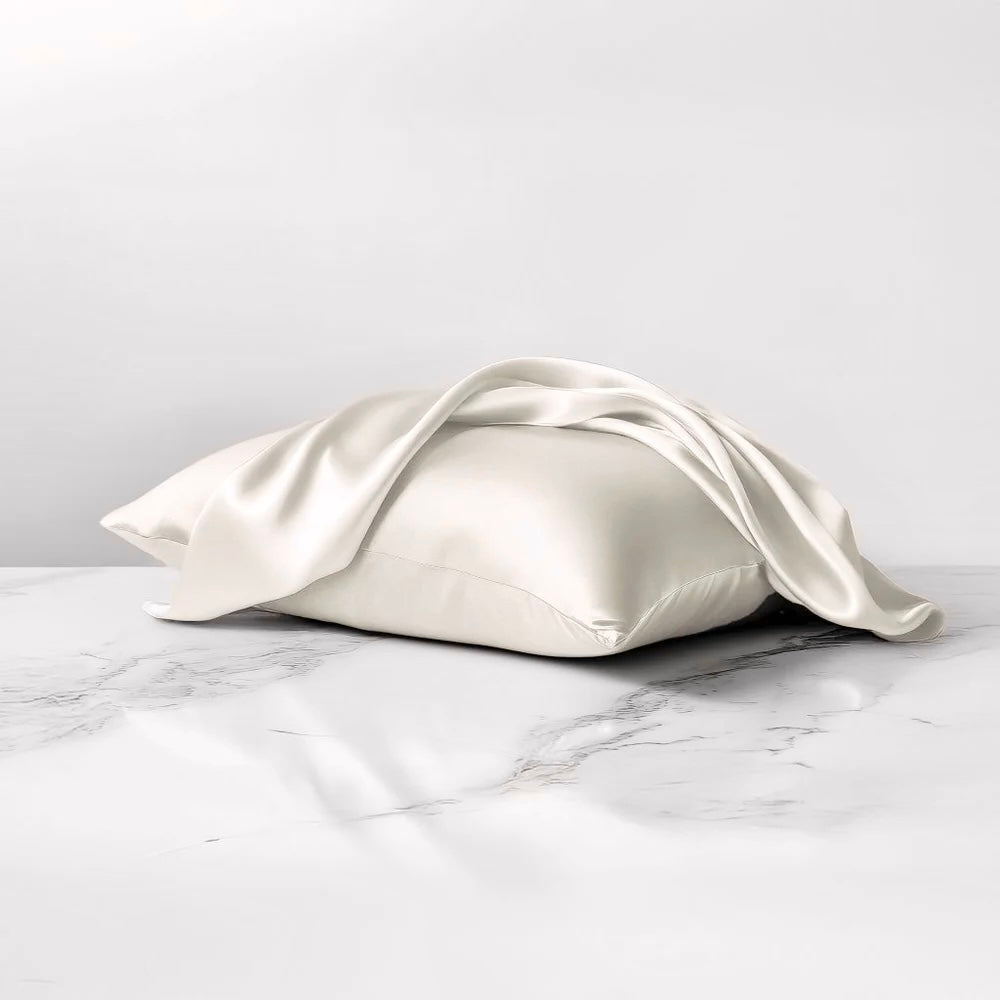
The skin is managing its own hydration actively overnight, in a state of elevated permeability. A surface that's low-friction, breathable, and non-absorbent supports that process. A surface that wicks moisture, traps heat, or creates seven hours of mechanical friction is working against it.
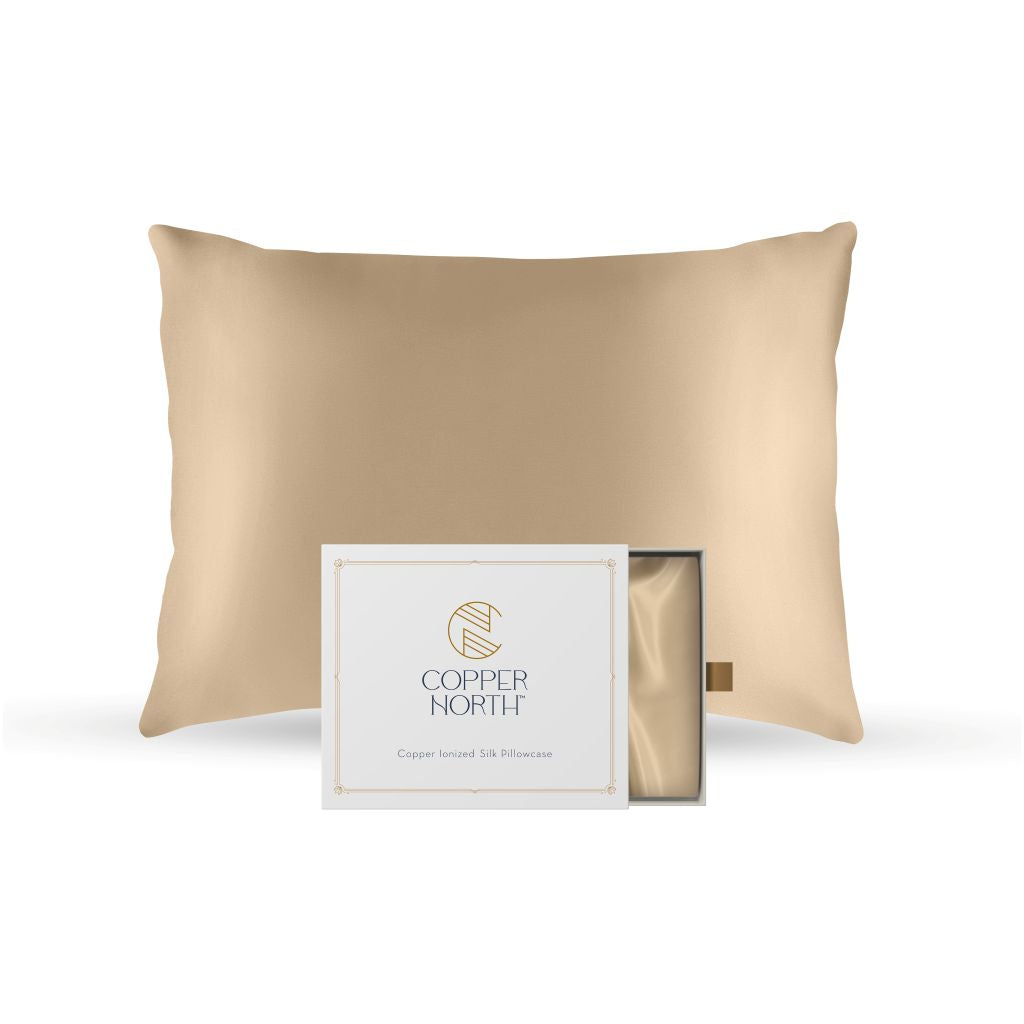
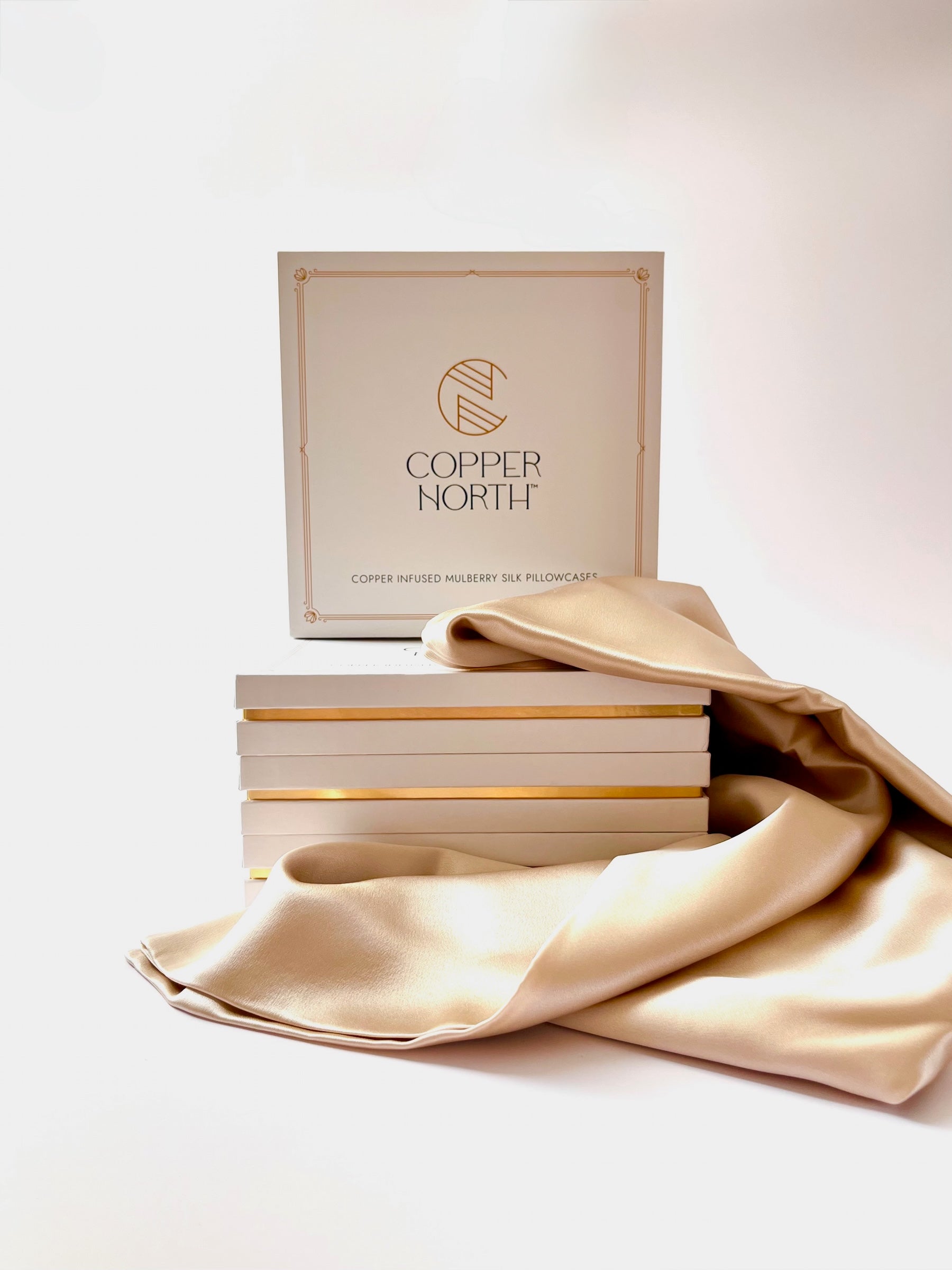
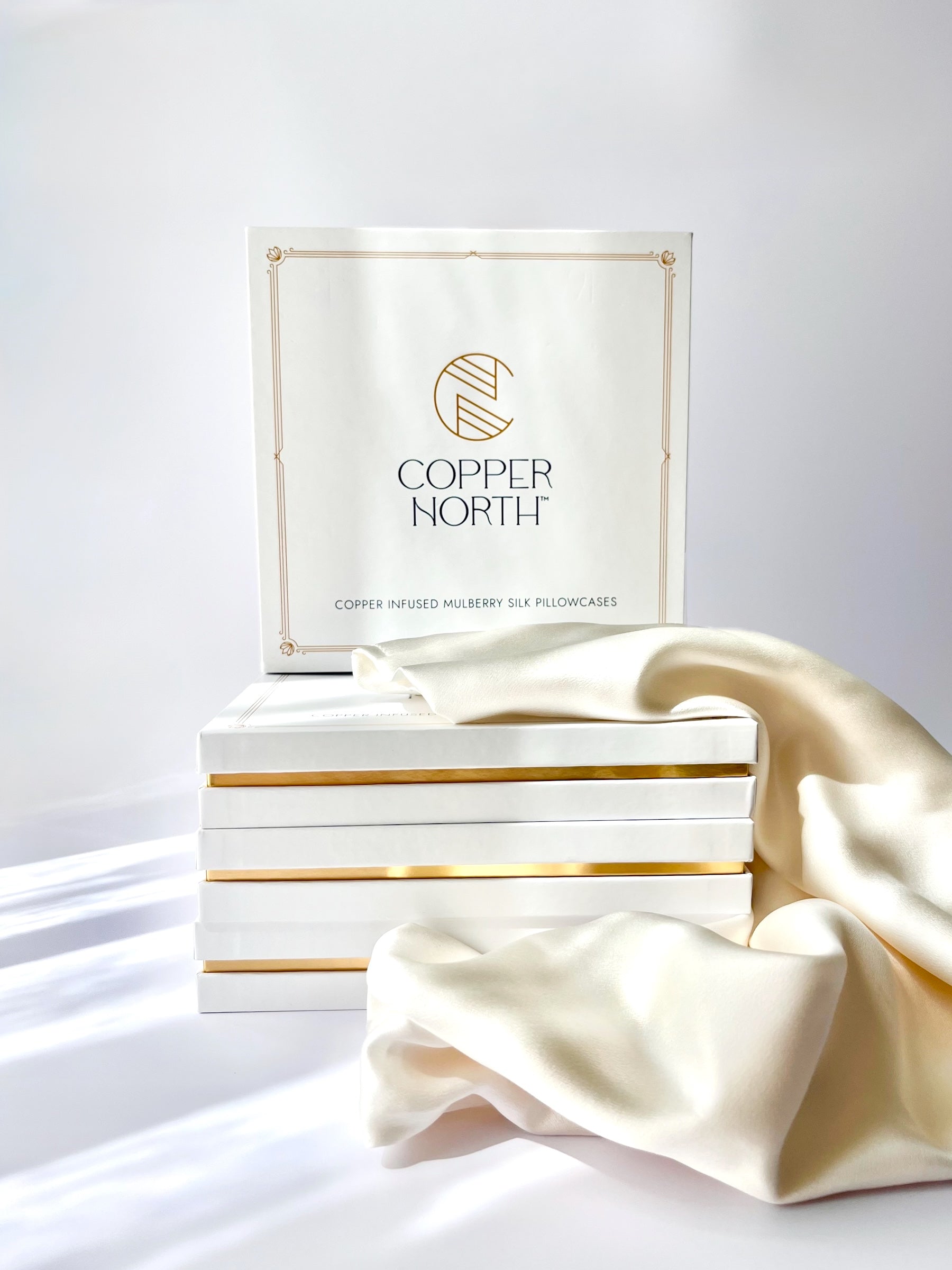
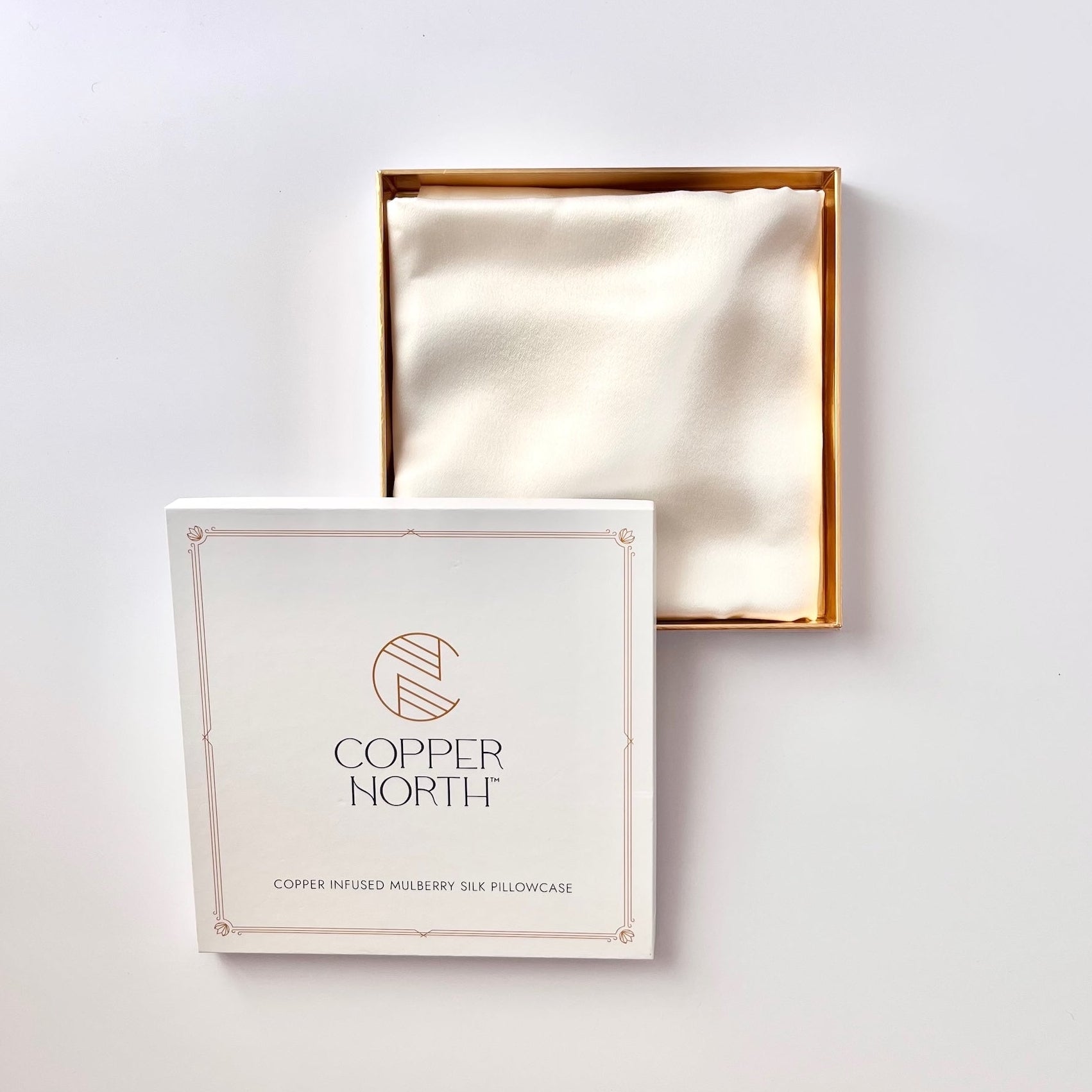
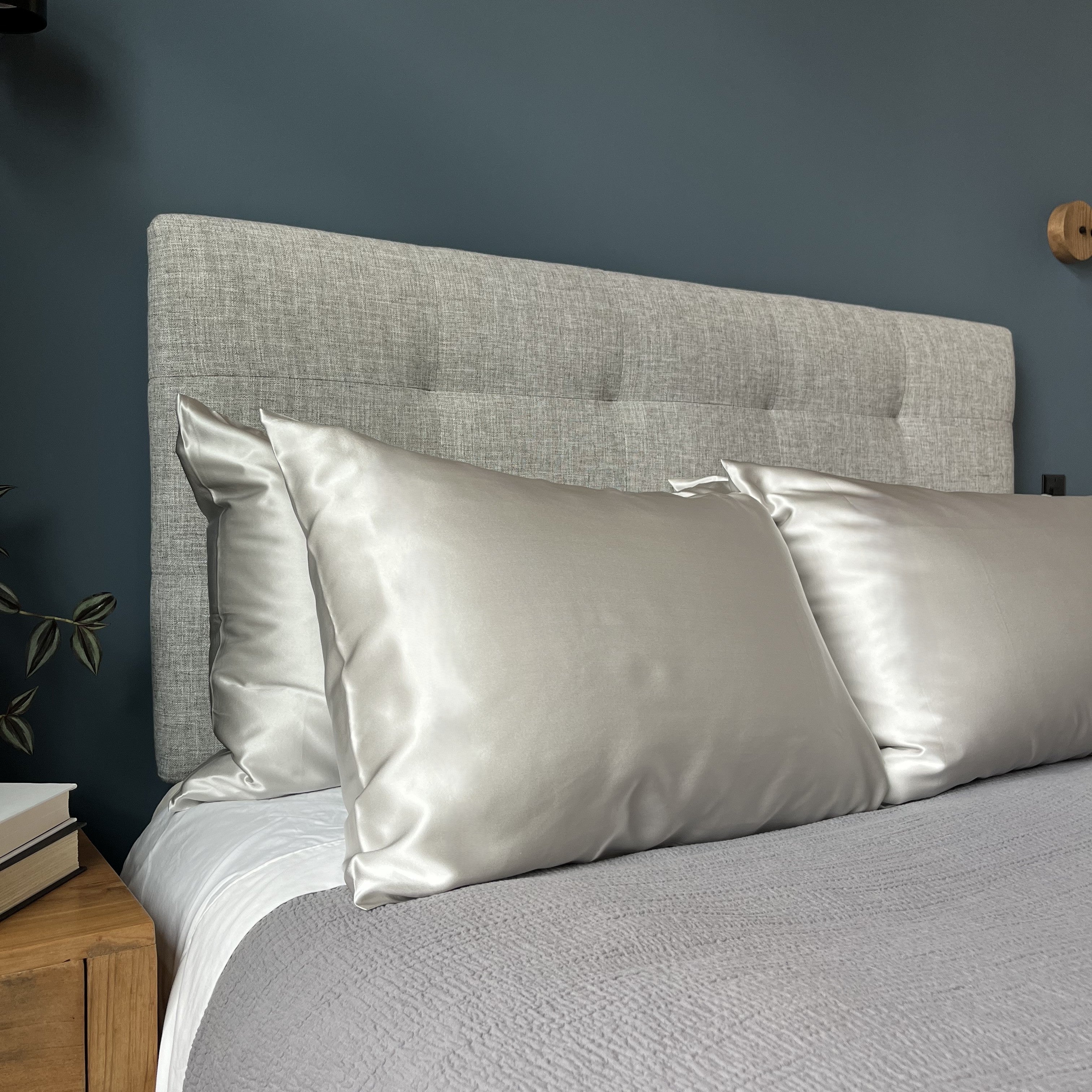
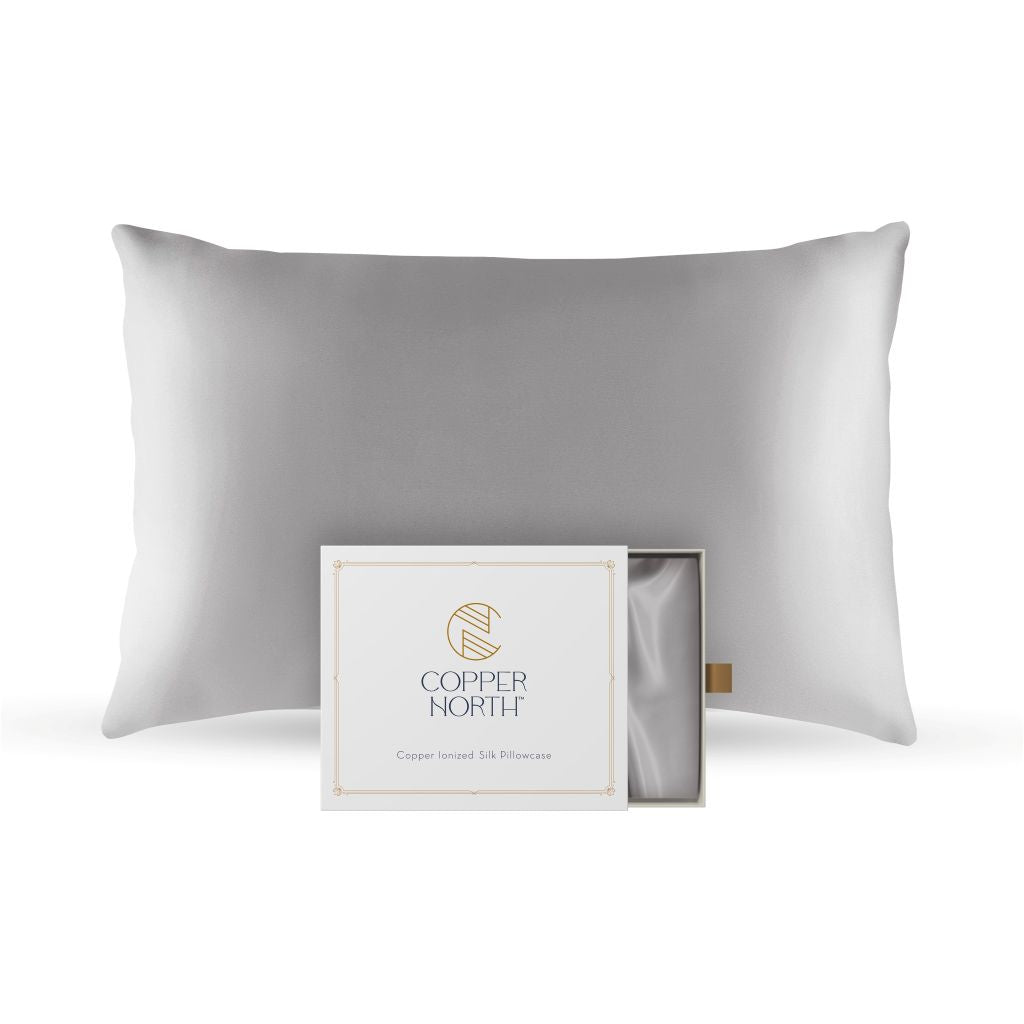
Copper North pillowcases are made from 100% mulberry silk that - naturally smooth, non-absorbent, and temperature-regulating - with copper infusion that adds its own independently studied skin benefits. They're designed to work with the skin's overnight biology, not against it.
Shop Copper North pillowcases →
Explore more
The science in full:
- Does a Copper Pillowcase Actually Work? Here's What the Science Says
- How Copper Infusion Works: The Process Behind Copper-Infused Silk
Apply it tonight:
- Silk Pillowcase for Curly, Natural, and Textured Hair: What Actually Helps Overnight
- The Best Pillowcase for Sensitive Skin: What Dermatology Research Shows
- How to Wash a Copper-Infused Silk Pillowcase
Frequently asked questions
Is beauty sleep real? Yes, and more specifically than the phrase suggests. Peer-reviewed research confirms that collagen synthesis, epidermal cell division, DNA repair, skin barrier permeability changes, and antioxidant activity in skin cells all follow documented circadian rhythms with peak activity during the night. The biology is real; the phrase just undersells the mechanism.
What does skin actually do while we sleep? Five documented processes run at night: collagen synthesis in dermal fibroblasts peaks during the dark phase (18); epidermal stem cells enter their highest proliferative window (19,20); DNA repair mechanisms are elevated (21); the skin barrier becomes more permeable, improving topical absorption but increasing moisture loss (22); and antioxidant defenses including melatonin produced directly in the skin are active (23). Each is governed by a molecular clock embedded in skin cells. The full mechanism is in our companion Science article.
Does poor sleep really show up on the skin? The evidence says yes. A 2025 review of 30 peer-reviewed studies found consistent associations between poor sleep and impaired skin barrier function, accelerated visible aging markers, and increased inflammatory skin responses (24). Chronic disruption of the circadian repair schedule has cumulative effects on skin structure and function.
Why does skincare absorb better at night? Because skin permeability is measurably higher in the evening and overnight than in the morning. A Journal of Clinical and Aesthetic Dermatology review notes that maximum skin penetration of active compounds occurs at approximately 4:00 am (25). Applying skincare at night isn't just a convention; it's working with skin's documented absorption window.
What is epidermal jet lag? A term used in dermatology research for the state in which the skin's peripheral circadian clock is out of sync with the body's central clock, caused by irregular sleep timing, shift work, or chronic late nights. In this state, the skin's repair processes still run, but their timing is disrupted, reducing their effectiveness over time.
Does the sleep surface matter for overnight skin repair? Research establishes that skin is in a state of elevated permeability and active moisture management overnight (26). A surface that is absorbent (like cotton), heat-retaining (like synthetics), or high-friction creates a measurably different microenvironment than one that is smooth, breathable, and non-absorbent. Whether a specific surface produces specific measurable outcomes is addressed in Does a Copper Pillowcase Actually Work?.
Copper North pillowcases are made from 100% mulberry silk infused with copper ions. Nothing in this article constitutes medical advice. Individual results vary. For specific skin concerns, please consult a qualified dermatologist.
References
- Janich, P., et al. (2013). “Human epidermal stem cell function is regulated by circadian oscillations.” Cell Stem Cell. 13(4):446–458. Link
- Chang, J., et al. (2020). “Circadian control of the secretory pathway maintains collagen homeostasis.” Nature Cell Biology. 22:74–86. Link
- Ibid.
- Geyfman, M., et al. (2012). “Brain and muscle Arnt-like protein-1 (BMAL1) controls circadian cell proliferation and susceptibility to UVB-induced DNA damage in the epidermis.” Proceedings of the National Academy of Sciences USA. 109(31):11758–11763. Link
- Andersen B, et al. (2023). “How and why the circadian clock regulates proliferation of adult epithelial stem cells”. Stem Cells. 2023;41(4):319–327. Link
- Mortimer, T., et al. (2024). “The epidermal circadian clock integrates and subverts brain signals to guarantee skin homeostasis”. Cell Stem Cell. 31(6). Link
- Geyfman, M., et al. (2012).
- Andersen B, et al. (2023).
- Geyfman, M., et al. (2012).
- Yosipovitch, G., et al. (1998). “Time-dependent variations of the skin barrier function in humans: transepidermal water loss, stratum corneum hydration, skin surface pH, and skin temperature.” Journal of Investigative Dermatology. 110(1):20–23. Link
- Slominski, A.T., et al. (2012). “Introduction. In: Sensing the Environment: Regulation of Local and Global Homeostasis by the Skin's Neuroendocrine System”. Advances in Anatomy, Embryology and Cell Biology, vol 212. Springer, Berlin, Heidelberg. Link
- Slominski, A.T., et al. (2018). “Melatonin: a cutaneous perspective on its production, metabolism, and functions.” Journal of Investigative Dermatology. 138(3):490–499. Link
- Andersen B, et al. (2023).
- Ibid.
- Wahab, G., et al. (2025). “Sleep and skin: a decade of evidence linking sleep quality to dermatologic outcomes (2015–2025)”. ARC Journal of Dermatology. 8(6):13–20. Link
- Solis-Moruno, M, et al. (2019). “Circadian rhythm and the skin: a review of the literature.” Journal of Clinical and Aesthetic Dermatology. 12(9):42–45. Link
- Yosipovitch, G., et al. (1998).
- Chang, J., et al. (2020).
- Geyfman, M., et al. (2012).
- Andersen B, et al. (2023).
- Geyfman, M., et al. (2012).
- Yosipovitch, G., et al. (1998).
- Slominski, A.T., et al. (2018).
- Wahab, G., et al. (2025).
- Solis-Moruno, M, et al. (2019).
- Yosipovitch, G., et al. (1998).






Share: