


The case for changing one thing, backed by the science of how our hair actually breaks.
Last updated: June 2026 | Reading time: ~10 minutes
This article cites peer-reviewed research published in indexed medical and scientific journals with parenthetical numeric tags. All citations are linked at the end.
|
Why hair breaks overnight (and why textured hair is more vulnerable)
Before getting to what helps, it is worth understanding what happens during sleep.
What happens to our hair while we sleep
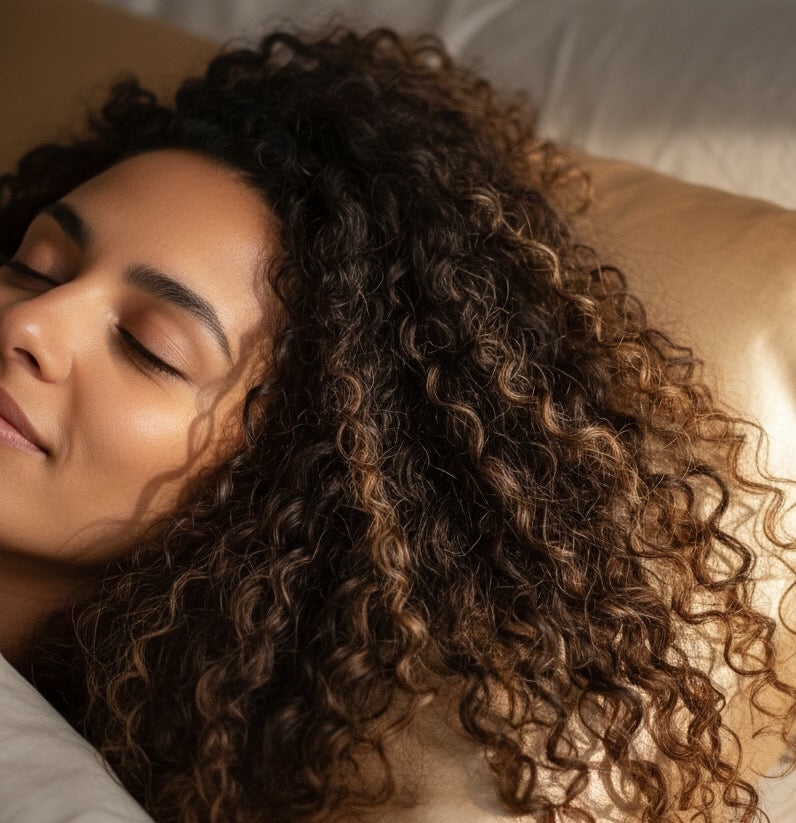
Most of us sleep predominantly on our sides (1) and change position between 11 and 45 times during a typical night (1,2), presenting dozens of opportunities for our hair to move against the pillowcase surface. Every time our hair shifts against that surface, friction is generated between the fabric and the hair fiber. What that friction does depends on two things: the roughness of the surface and the structural integrity of the hair.
The outer layer of each hair strand is called the cuticle, a series of overlapping, scale-like cells that point from the root toward the tip, like roof tiles. Research published in the Journal of Investigative Dermatology Symposium describes the normal cuticle as having a smooth appearance that limits friction between hair shafts and protects the fiber's inner structure (3). When the cuticle is intact and lying flat, hair is more resistant to friction damage. When the cuticle is lifted, roughened, or compromised, friction catches on the exposed edges and causes them to chip, crack, and eventually break, taking protein from the hair shaft in the process.
A peer-reviewed overview of hair cosmetics published in the International Journal of Trichology notes specifically that abrasion and friction are significant factors in hair damage, and that they cause damage by protein loss from the fiber (4). Protein loss means weaker, more brittle hair over time. A rough sleep surface is one of the most consistent and prolonged sources of that friction, seven to eight hours, every night.
Why curly and textured hair is more exposed
The vulnerability is structural and it applies to all textured hair, wavy, curly, coily, and kinky.
Every bend in a curl is a point where the cuticle cells are under more mechanical tension. At each curve, the outer edge of the fiber is more exposed to contact than along a straight strand. This means that a single friction event, such as a head movement against a rough surface, contacts more cuticle edges per centimeter of hair on a curly or coily strand than on a straight one.
High-porosity hair, which is common in chemically treated hair, color-treated hair, and naturally in some hair types including many type 4 textures, adds another layer of vulnerability. Porosity refers to the state of the cuticle: high-porosity hair has a more open, raised cuticle structure that absorbs moisture quickly but also loses it quickly. Research on textured hair porosity published in the journal Cosmetics (2025) confirmed that mechanical and chemical processing significantly increases porosity in textured hair fibers, making the exposed cuticle more susceptible to further mechanical damage (5).
The practical consequence: overnight friction on textured hair is not a minor inconvenience. It is a meaningful contributor to the cycle of breakage, moisture loss, and length retention challenges that many in the curly hair community are actively managing.
What silk does, and why 100% mulberry silk specifically
Silk's protective mechanism for hair is mechanical: it is a lower-friction surface than cotton, and more thermoregulating than most satins (as they are frequently made from polyester).
A silk pillowcase is better for hair than cotton
Laboratory testing by TRI Princeton, the Textile Research Institute, an independent textile testing organization, demonstrated a lower friction force between silk and hair than between cotton and hair, using a controlled rotating head simulation designed to replicate overnight hair exposure conditions (6). When hair slides against silk instead of cotton, each movement encounters less resistance. Less resistance means less cuticle lifting, less protein loss, and less accumulated mechanical damage over thousands of nightly movements.
A review article on hair care physics published in Polymers (2023) explains the underlying mechanism: the shape and orientation of cuticle cells limit friction between hair fibers, and the presence or absence of surface lipids, particularly 18-methyl eicosanoic acid (18-MEA), the hydrophobic lipid coating of healthy hair, significantly affects how much friction each hair strand is vulnerable to, and how much friction it creates with other strands (7). A silk surface preserves this protective interaction more effectively than cotton, which has a more textured surface that catches on the cuticle's exposed edges.
Cotton: the baseline problem
Cotton's issue for hair comes down to two documented properties. First, its surface generates more friction against the hair cuticle than silk, confirmed in independent laboratory testing at TRI Princeton using a controlled rotating head simulation designed to replicate overnight hair exposure conditions (6).
Second, cotton fibers absorb significantly more water than silk and transmit it through the fabric more quickly, a difference confirmed in peer-reviewed textile science research on cotton fiber moisture absorption behavior (8). TRI Princeton's independent review of silk pillowcase science notes that cotton absorbs more water than silk and transmits it through the fabric more quickly, and that it is reasonable to conclude this higher water absorbency may cause water to leave hair more quickly when exposed to cotton bedding, while qualifying that conclusion as a reasonable inference from the data rather than a definitive finding (6).
For hair that is already high-porosity or moisture-sensitive, that distinction is worth understanding: a cotton sleep surface may work against the moisture retention the rest of the routine is built around, even if the precise mechanism is not yet fully quantified in the literature.
Polyester satin: better than cotton, but not the same as silk
Polyester satin pillowcases are frequently recommended as a more affordable alternative to silk, and they do offer a reduction in friction compared to standard cotton. The straight answer for anyone in the curly hair community who has debated this: polyester satin is a meaningful upgrade from cotton, and a worthwhile choice if silk is not accessible. But there is a real difference between polyester satin and natural silk.
Where cotton absorbs moisture aggressively into its fiber and silk moderates moisture without stripping it, polyester does neither well. Polyester fiber has a conventional moisture regain of only 0.4% due to the low number of hydrophilic groups in its macromolecular structure, compared to cotton at approximately 7–8% (9). This means polyester neither absorbs moisture from hair the way cotton does, nor manages the thermal environment around the scalp the way natural silk does. A systematic review on how sleepwear and bedding fiber types affect sleep quality confirmed that to optimize thermal comfort, a fiber's water vapor permeability should be high to allow sweat to evaporate from the skin and keep it dry (10).
For anyone who sleeps warm or deals with scalp sensitivity, that reduced breathability is a meaningful overnight variable. For hair that is already chemically treated, color-treated, or high-porosity, a less stable thermal and moisture environment overnight is a less protective one.
Why 100% mulberry silk specifically
Not all silk is the same, and the distinction matters for hair.
Mulberry silk is a natural protein fiber; its molecular structure is composed of two proteins, fibroin (the structural core) and sericin (the outer coating) (11). Research on silk as a textile fiber confirms that compared with synthetic polymer fibers, silk exhibits low heat conduction, air permeability, and humidity permeability that arise from its natural protein structure, properties that cannot be replicated simply by applying a smooth weave finish to a synthetic base material (12). This is what makes mulberry silk behave differently from polyester satin even when both feel smooth to the touch: the smoothness of silk is intrinsic to the fiber, while the smoothness of satin is a weave effect that does not change what the underlying material does to heat and moisture.
Silk pillowcase or bonnet: It’s not an either/or
The curly hair community has extensive accumulated knowledge on overnight protection, and the silk bonnet and silk scarf have been staples of natural hair care routines, particularly for type 3 and type 4 hair, for decades. This article is not making the case against either.
A bonnet or scarf and a silk pillowcase do different things and serve different purposes:
A bonnet or scarf wraps around the hair and holds it in place, which is particularly valuable for preserving curl pattern (especially for styles with a gel cast), maintaining volume, and preventing the hair from spreading across a pillow surface entirely. For protective styles, such as braids, twists, locs, a bonnet provides full containment.
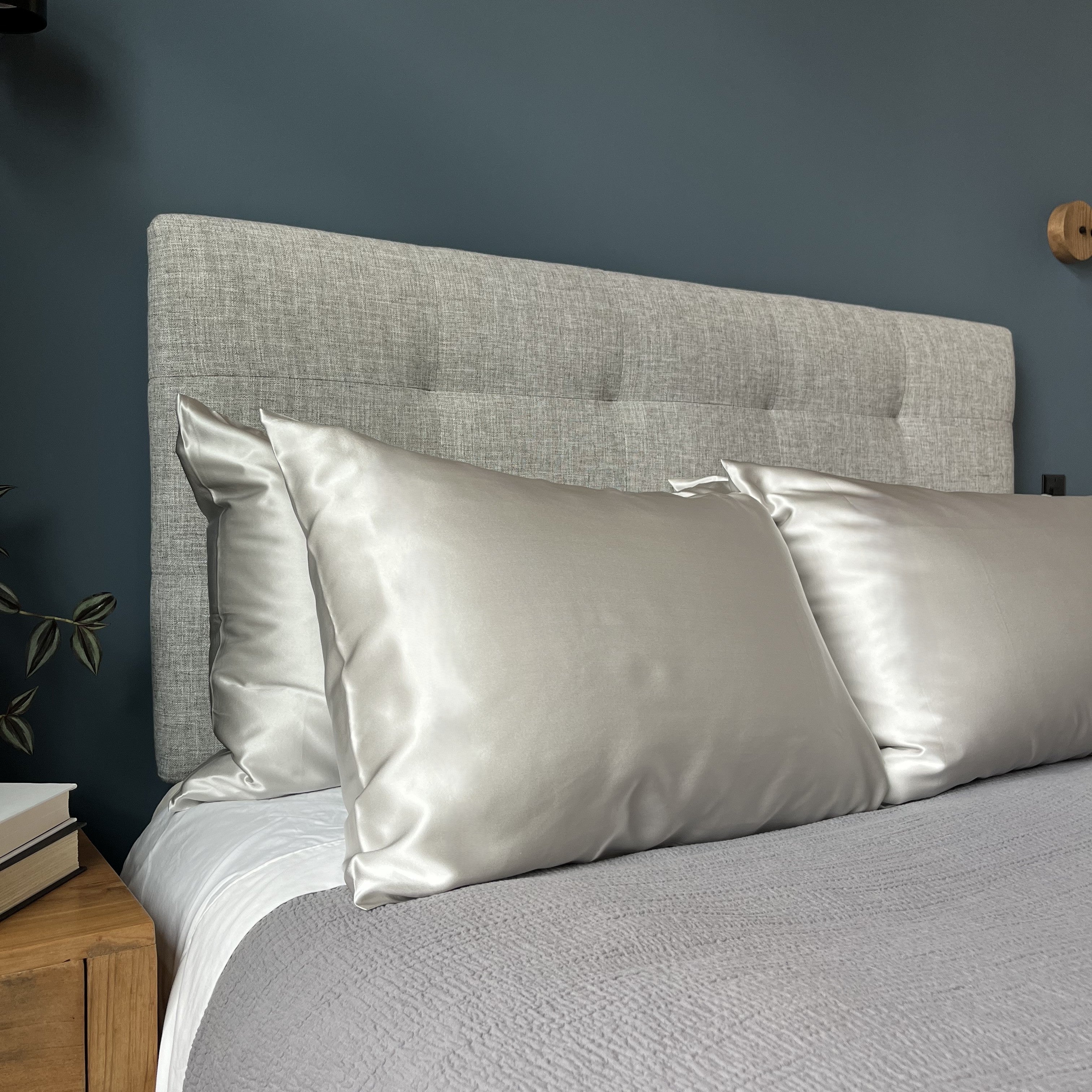
A silk pillowcase protects the scalp and the sides and back of the head that make contact with the pillow, the areas where hair is most likely to be pinned against a surface and create sustained friction. It is particularly relevant for anyone who moves significantly during sleep, whose bonnet comes off during the night, or who prefers not to sleep in a bonnet.
Many people use both. A bonnet over a silk pillowcase creates redundant protection and addresses both pattern preservation and surface friction. Neither is a complete substitute for the other.
The honest position is: if a bonnet works well in your routine and you are happy with your hair health, adding a silk pillowcase is an incremental improvement at best. If your bonnet comes off during the night, if you find bonnets uncomfortable, or if you are not currently using any overnight protection, a silk pillowcase is one of the most accessible and low-effort additions to an overnight hair care practice.
Where copper adds something different
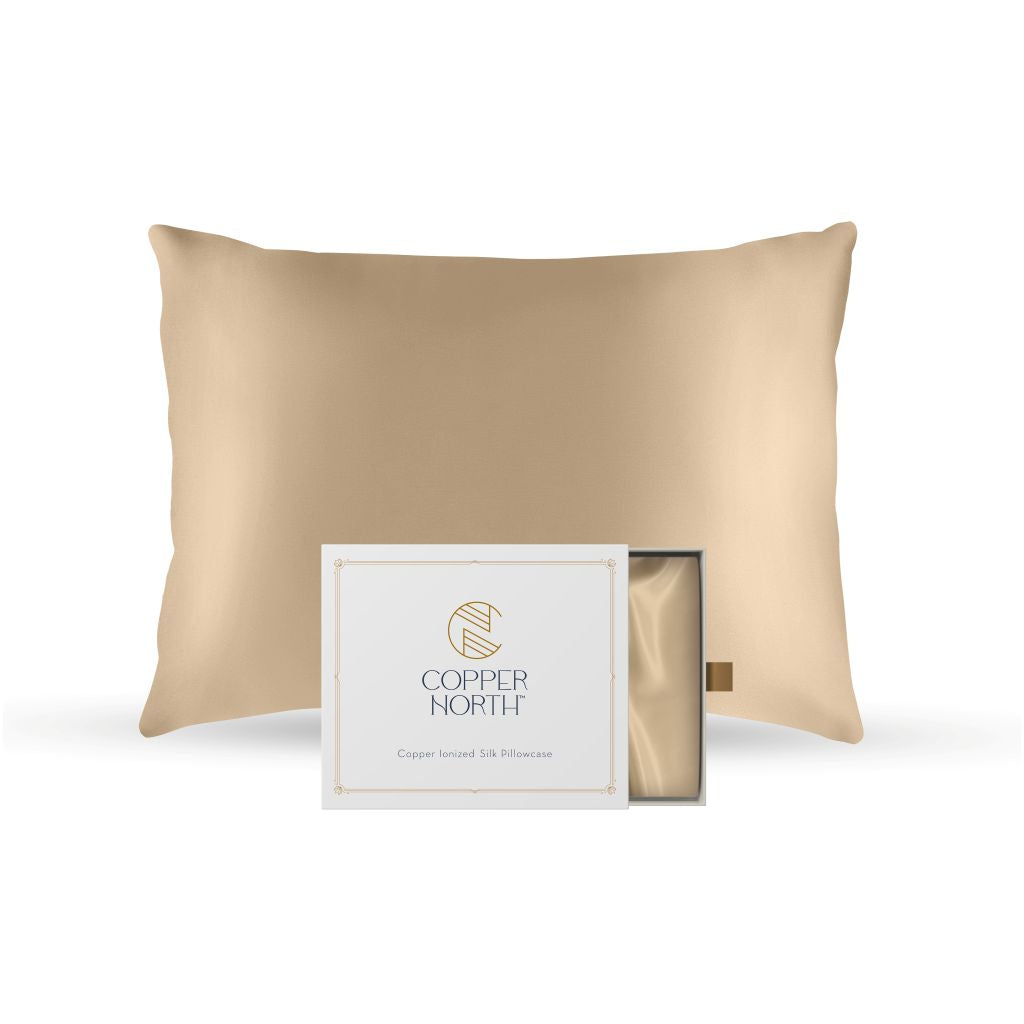
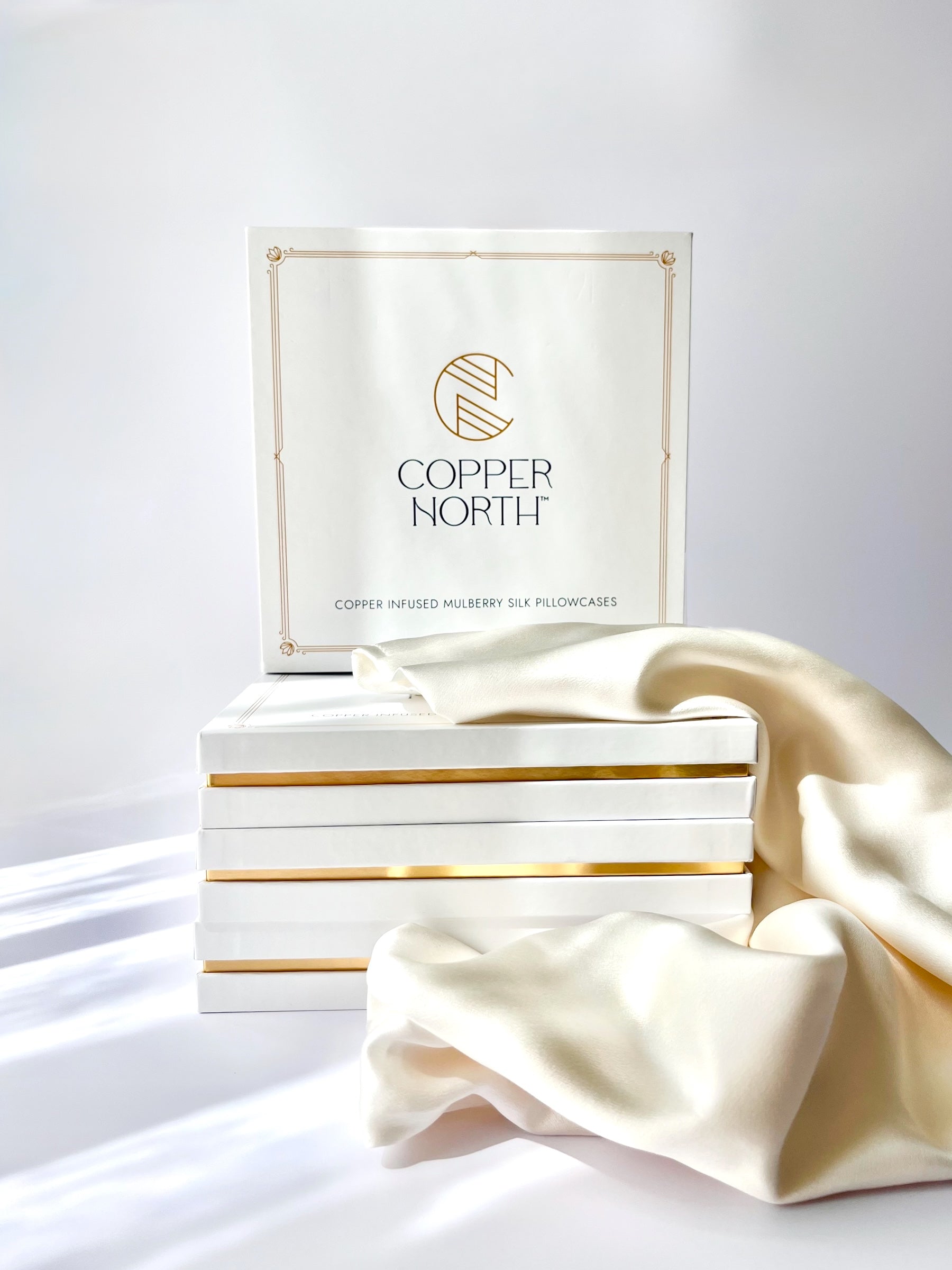
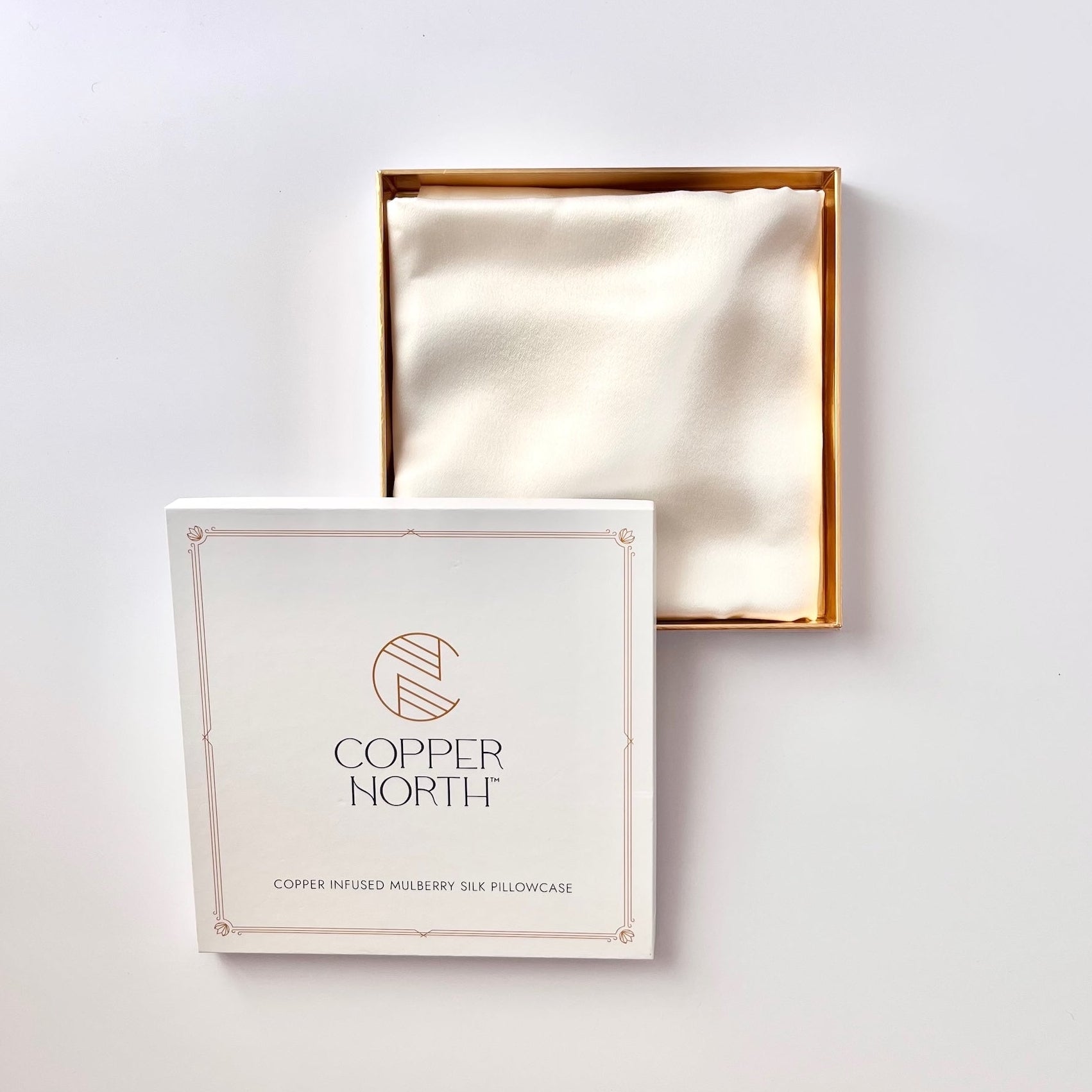
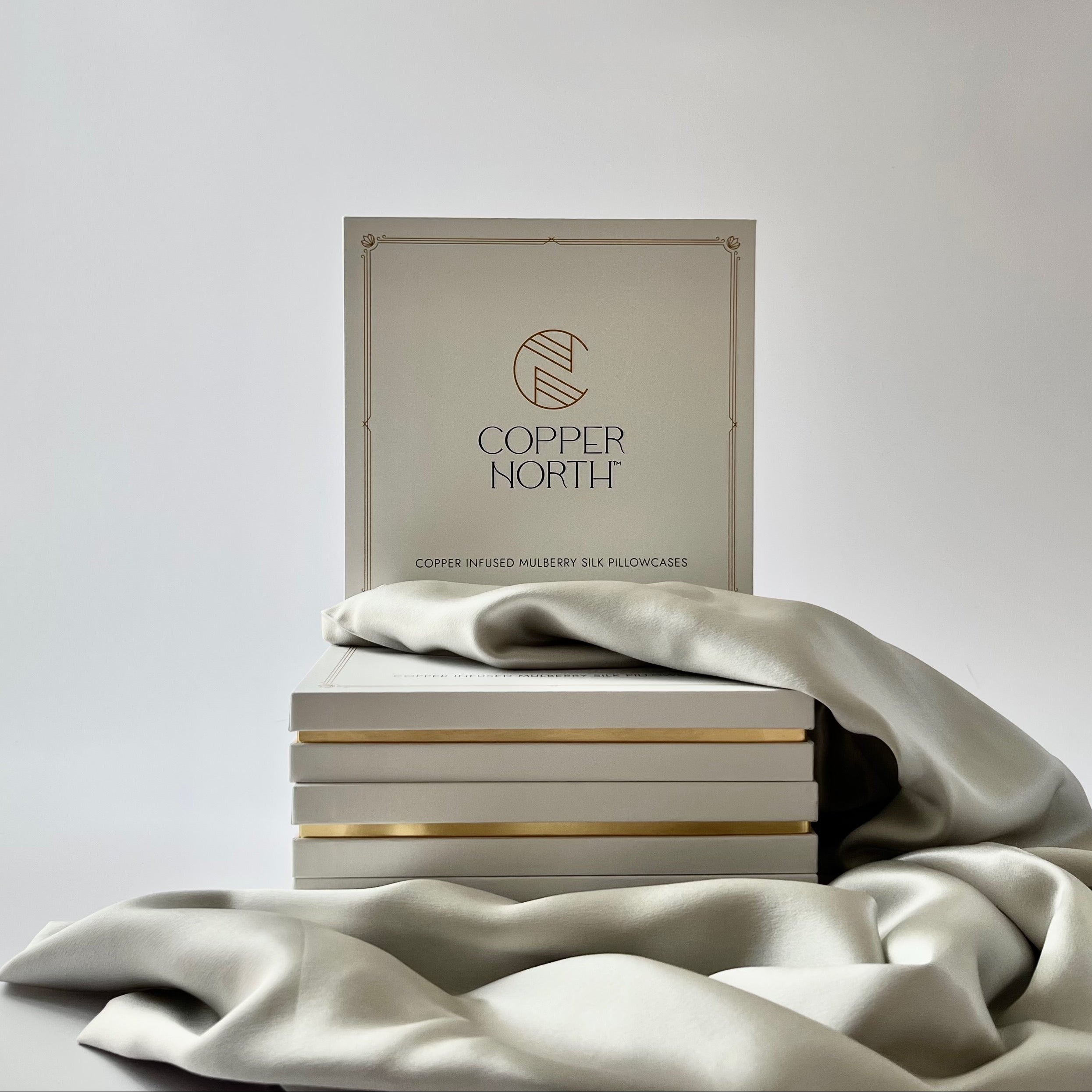
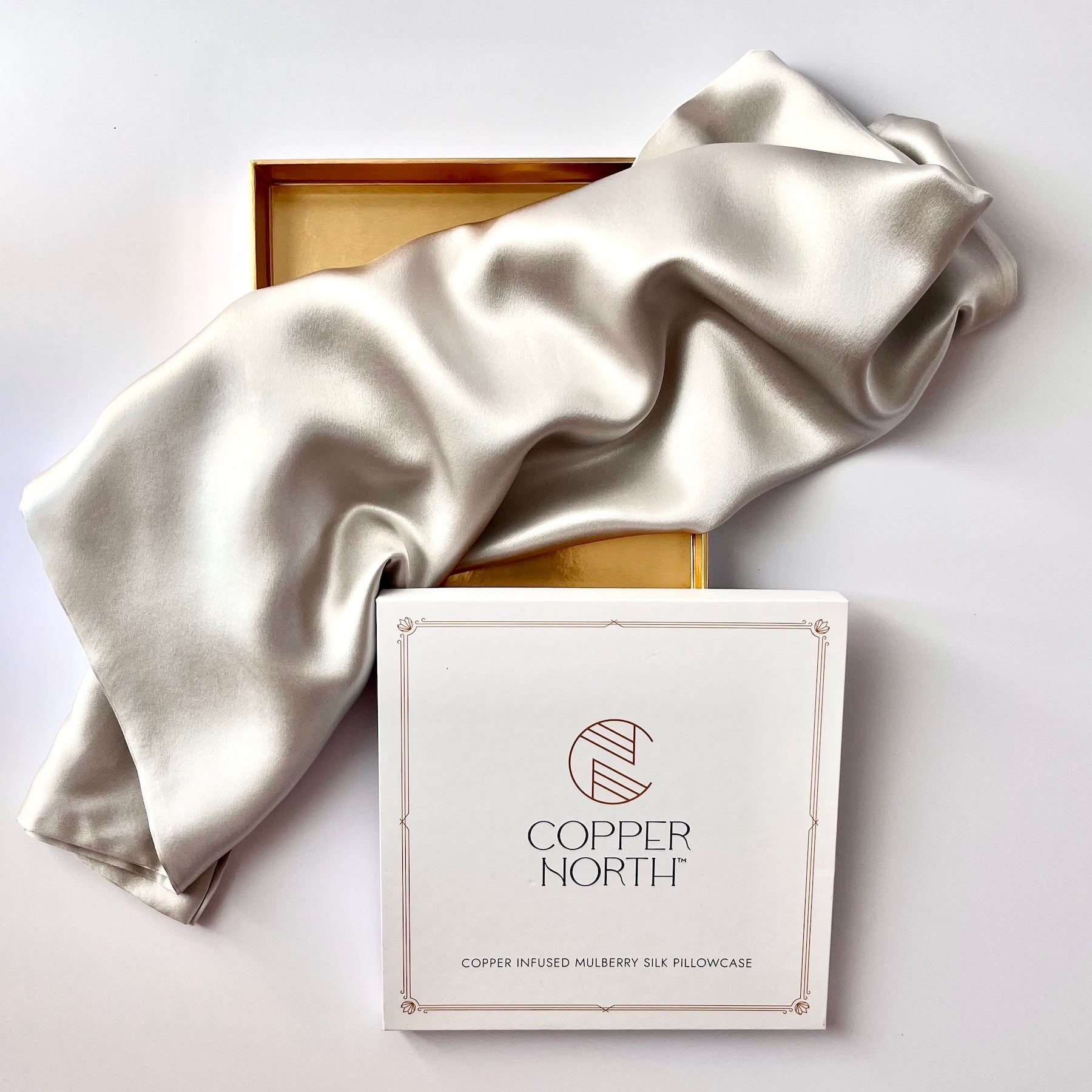
Most silk pillowcases in the market are plain silk, which is genuinely good for hair for the reasons above. Copper North pillowcases are copper-infused 100% mulberry silk, and for anyone thinking about scalp health alongside hair health, that distinction is worth understanding.
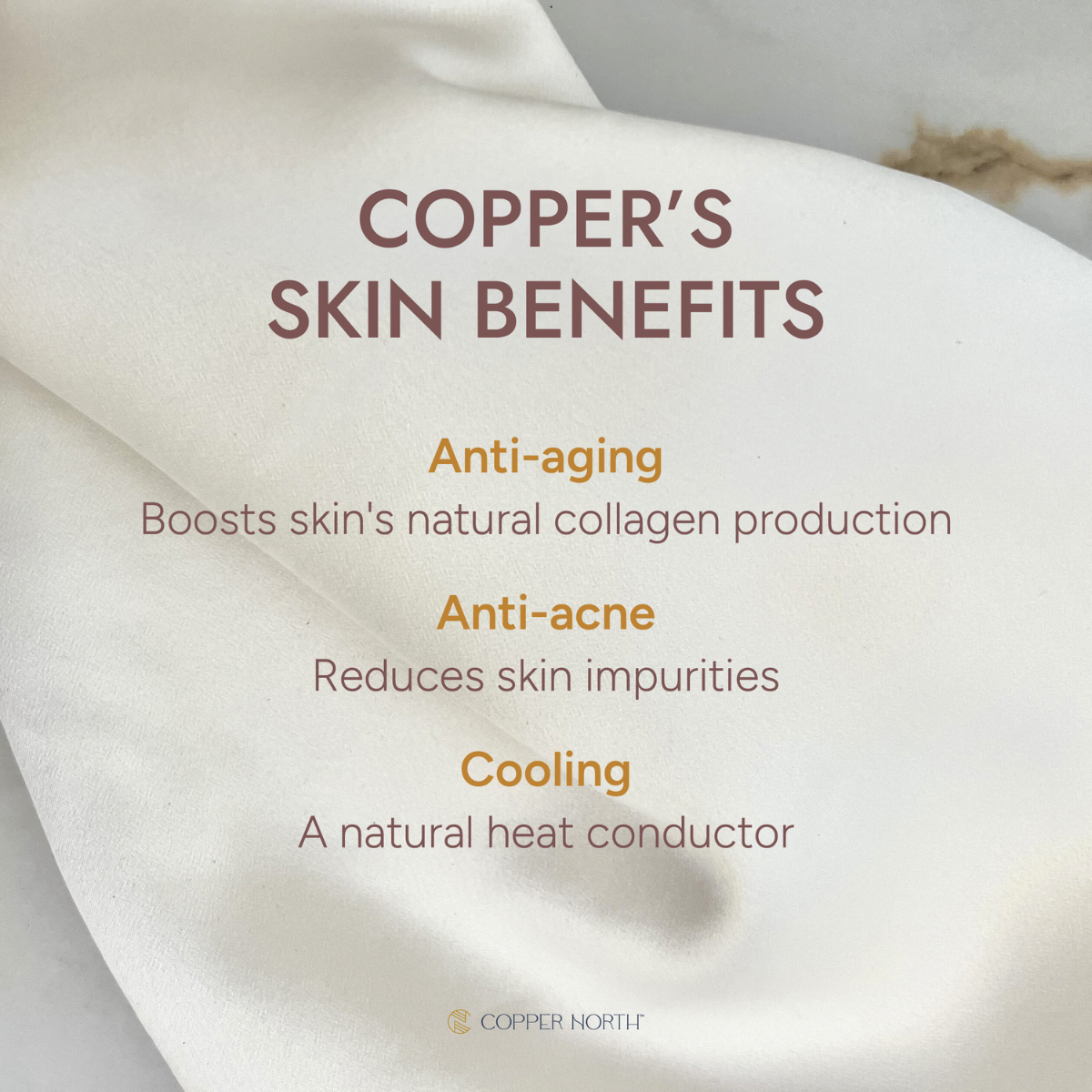
The scalp is skin. It has the same circadian repair cycle, the same overnight permeability window, and the same sensitivity to its immediate environment as facial skin. Copper is an essential mineral with a well-documented role in collagen synthesis, the process that maintains skin structure and elasticity. It is also one of the most studied antimicrobial materials in medical and textile science, with a long history of use in clinical settings where surface hygiene matters (13).
Whether those properties of copper translate meaningfully in a pillowcase context is a question the evidence addresses, and we cover it honestly in Does a Copper Pillowcase Actually Work?. The short version: the research is more compelling than most people expect.
For hair health specifically, the scalp environment matters. Hair grows from follicles embedded in skin, and that skin rests against a sleep surface for seven to eight hours every night. A silk pillowcase addresses the hair shaft. A copper-infused silk pillowcase brings copper's documented material properties into that same environment, including the skin the hair grows from. That combination is what makes Copper North pillowcases different from plain silk.
Practical notes for different hair types and routines
For wash-and-go styles (type 2 and 3): A silk pillowcase (your choice if it’s copper-infused or not) is the most practical overnight protection because it requires no additional styling step. The lower friction surface helps preserve wave and curl definition without flattening. Apply a light finishing product or refresher in the morning if needed.
For defined curl styles with gel cast (type 3 and 4): A bonnet is the more protective choice for preserving cast integrity. A silk pillowcase used without a bonnet may disturb the cast during heavy movement. Use both if gel cast preservation is a priority.
For type 4 coily and kinky hair: The friction-reduction benefit is most meaningful here because of the structural vulnerability described above. Overnight moisture retention is also most relevant for this hair type; a surface that does not wick moisture from leave-in products or sealing oils is a direct advantage. The pineapple method (loosely gathering hair at the top of the head with a scrunchie or soft tie) combined with a silk pillowcase is a widely used approach that addresses both.
For chemically treated or color-treated hair: High-porosity hair, common after bleaching, coloring, or chemical relaxing, is the most vulnerable to friction damage, as the raised cuticle structure has more exposed surfaces to catch on rough materials. The Cosmetics (2025) paper on textured hair porosity specifically confirmed that mechanical damage accumulates on already-compromised fibers (5). A silk sleep surface is the most consistent, low-effort change available for managing overnight mechanical stress on chemically processed hair.
For protective styles (braids, twists, locs): A bonnet or scarf is the appropriate overnight protection for full containment. A silk pillowcase provides an additional benefit: the edges and hairline, which may extend beyond the bonnet's coverage and are often the most fragile areas, rest on a low-friction surface throughout the night.
What a silk pillowcase will not do
A few honest caveats:
A silk pillowcase will not repair already-damaged hair. The cuticle damage that has accumulated from heat styling, chemical processing, or previous friction is not reversed by switching surfaces. What changes is the ongoing rate of new mechanical damage.
A silk pillowcase will not replace a consistent moisture routine. Hair hydration is managed through washing, conditioning, and sealing, not through the sleep surface. A silk pillowcase helps preserve the moisture that is already in the hair; it does not add it.
A silk pillowcase will not stop shedding. Normal hair shedding (50–100 strands per day) is a follicular process unrelated to sleep surfaces. What may reduce is the breakage that looks like shedding - shorter, mid-shaft snapped strands rather than full hairs with bulbs intact.
Results vary by hair type, condition, and how much sleep movement occurs. For some people the difference is immediately noticeable; for others it is more gradual and cumulative.
Explore more of The Art and The Science
On overnight hair and skin care:
- Beauty Sleep Is Real: 5 Science-Backed Things Our Skin Does While You Sleep
- How to Wash and Care for a Copper-Infused Silk Pillowcase
- What Is Momme and Why It Matters in Silk Quality
The research behind it:
- Does a Copper Pillowcase Actually Work? Here's What the Science Says
- How Copper Infusion Works: The Process Behind Copper-Infused Silk
- Silk vs. Cotton Bedding: Which Is Better for Skin, Hair, and Sleep?
Shop:
Frequently asked questions
Is a silk pillowcase actually good for curly hair? Yes, the mechanism is real and documented. Silk produces lower friction against hair than cotton, and friction is a primary cause of mechanical hair damage at the cuticle level. Curly, coily, and textured hair is more structurally exposed to friction damage than straight hair, which means the friction-reduction benefit of a silk sleep surface is more significant for textured hair types. The evidence for the lower friction of silk against hair is documented in independent textile research at TRI Princeton (6), and the role of friction in hair damage by protein loss is described in peer-reviewed trichology literature (4).
What is the difference between a silk pillowcase and a satin pillowcase for natural hair? Satin is a weave finish, not a fiber. Most satin pillowcases are made from polyester. Polyester satin does offer a smoother surface than standard cotton, but it does not share the thermal regulation, moisture management, or breathability of natural mulberry silk. For textured hair that is already high-porosity or chemically treated - and therefore more sensitive to heat buildup and moisture loss overnight - the natural fiber properties of mulberry silk are a meaningful additional benefit over polyester satin.
Should I use a silk pillowcase or a bonnet for natural hair? Both serve different purposes and the two are not in competition. A bonnet is better for preserving curl pattern and fully containing a style; a silk pillowcase protects the surfaces in contact with the pillow - that is, the sides, back, edges - through the night, particularly during movement. Many people use both. If choosing one, the question is whether pattern preservation or friction reduction is the priority for your current routine.
Does a silk pillowcase help with type 4 hair? The friction-reduction benefit is most relevant for type 4 hair specifically, because the tight coil structure means more cuticle surface is exposed to contact at every bend in the strand, and because type 4 hair is often higher porosity, with a more open cuticle structure that is more vulnerable to ongoing mechanical damage. A silk pillowcase addresses the overnight friction variable, which is one of the most consistent and prolonged sources of mechanical stress on 4A, 4B, and 4C hair.
Does a silk pillowcase help with hair breakage? It addresses one of the causes of breakage: mechanical friction during sleep. Breakage has multiple causes including chemical damage, heat styling, moisture levels, and genetics. A silk sleep surface reduces the ongoing contribution of overnight friction to that total. The TRI Princeton research (6) documented lower friction force between silk and hair than between cotton and hair under controlled conditions simulating overnight exposure.
Will a silk pillowcase keep my hair moisturized overnight? Silk does not absorb moisture the way cotton does. Cotton can draw moisture away from hair fiber and potentially applied overnight products as well. A silk surface helps preserve the moisture already in the hair and the leave-in products or sealants applied before bed. It does not add moisture to hair. Think of it as a surface that gets out of the way of our hair's natural hydration, rather than one that actively adds to it.
What makes Copper North's silk pillowcase different from other silk pillowcases? The copper infusion is the primary differentiator, alongside the indulgent feel and presentation that make the pillowcases worth giving as much as keeping. All Copper North pillowcases are 100% mulberry silk at 22 momme, the quality standard of the best silk pillowcases on the market. Copper is one of the most studied materials in medical and textile science, with well-documented properties that include antimicrobial activity and a role in collagen synthesis. Our pillowcases contain copper, and the copper content is independently verified by European laboratory testing. If the question is whether that adds up to something meaningful, our Science articles answer it with the evidence, not just the claim.
Is 22 momme the right weight for a silk pillowcase for hair? Yes. 22 momme is the standard quality benchmark for a silk pillowcase that balances durability, price, feel, and functional benefit for nightly use. Lower momme produces thinner, less durable fabric that wears faster with regular use. The momme weight does not affect the friction properties - silk is lower friction than cotton across the momme range - but it does affect how long the pillowcase maintains its quality through repeated washing.
References
- Uggla LG, et al. (2017). “Sleep positions and nocturnal body movements based on free-living accelerometer recordings: association with demographics, lifestyle, and insomnia symptoms.” Nature and Science of Sleep. 9:267–275. PMC5677378. Link
- Yetton BD, et al. (2016). “Quantifying sleep architecture dynamics and individual differences using big data and a unified modeling framework.” Sleep Health: Journal of the National Sleep Foundation. 2016. Link
- Sinclair RD. (2007). “Healthy hair: What is it?” Journal of Investigative Dermatology Symposium Proceedings. 12(2):2–5. Link
- Gavazzoni Dias MFR. (2015). “Hair cosmetics: An overview”. International Journal of Trichology. 7(1):2–15. doi:10.4103/0974-7753.153450. PMC4387693. Link
- Halal R, Joekes AM, Cefali LC, et al. (2025). “Porosity and resistance of textured hair: Assessing chemical and physical damage under consumer-relevant conditions.” Cosmetics. 12(3):93. Link
- TRI Princeton. (2025). "Everyone is Talking About: Silk Pillowcases." TRI Academy. Accessed Jan 23, 2026. Link
- Fernandes C, Medronho B, Alves L, Rasteiro MG. (2023). “On hair care physicochemistry: From structure and degradation to novel biobased conditioning agents.” Polymers. 15(3):608. Link
- Matusiak M, Kamińska D. (2022). “Liquid moisture transport in cotton woven fabrics with different weft yarns.” Materials (Basel). 15(18):6489. doi:10.3390/ma15186489. Link
- Zhang Y, et al. (2024). “Detection of moisture content of polyester fabric based on hyperspectral imaging and BP neural network”. Spectrochimica Acta Part A: Molecular and Biomolecular Spectroscopy. 318:124499. Link
- Li X, et al. (2024). “How do sleepwear and bedding fibre types affect sleep quality: A systematic review”. Journal of Sleep Research. 33(1):e14217. Link
- Rockwood DN, et al. (2011). “Materials fabrication from Bombyx mori silk fibroin.” Nature Protocols. 6(10):1612–1631. doi:10.1038/nprot.2011.379. PMC3808879. Link
- Wang, Y., et al. (2021). “Thermochromic silks for temperature management and dynamic textile displays”. Nano-Micro Letters. 13:148. Link
- Gabbay, J., et al. (2006). "Copper oxide impregnated textiles with potent biocidal activities." Journal of Industrial Textiles. 35(4):323-335. Link
Copper North pillowcases are made from 100% mulberry silk infused with copper ions. Nothing in this article constitutes medical or dermatological advice. For specific hair or scalp concerns, please consult a qualified dermatologist or trichologist.





Share: